


NFC zu 02-06-04-02
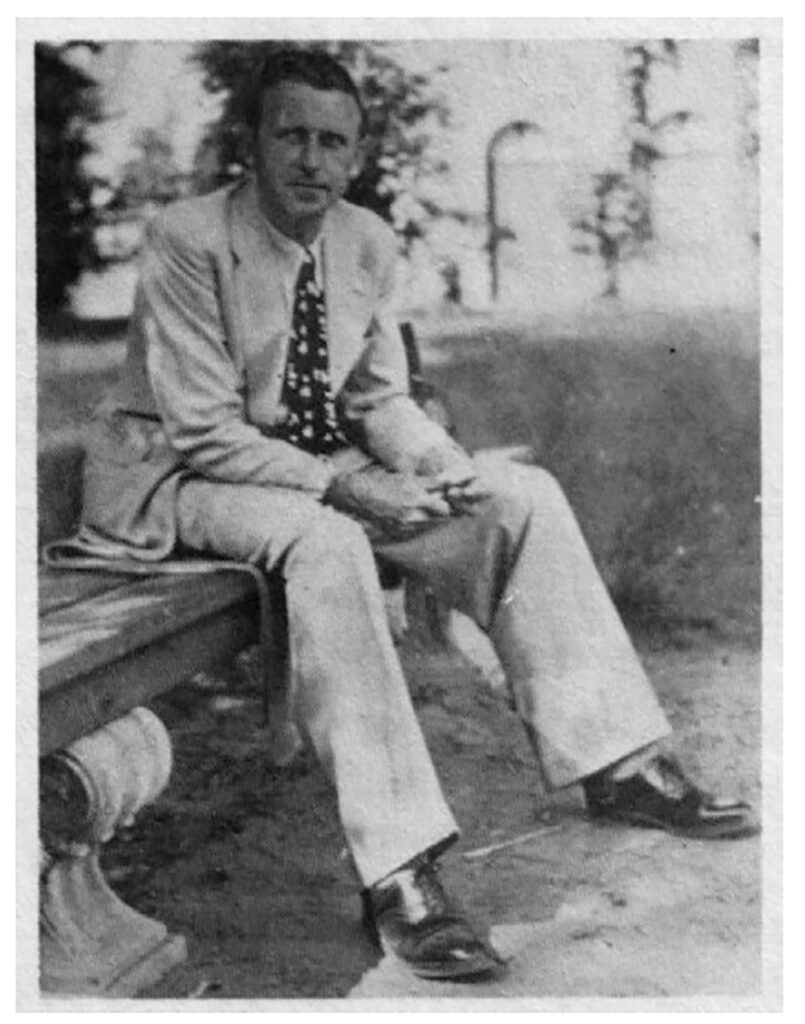
Hans Hefelmann, um 1954.
Aus: Andreas Kinast: »Das Kind ist nicht abrichtfähig«. »Euthanasie« in der Kinderfachabteilung Waldniel 1941 – 1943, Köln/Weimar/Wien 2014, S. 52.
HANS HEFELMANN (1906 – 1986)
Hans Hefelmann war Sohn eines Textilfabrikanten aus Dresden. Er studierte Landwirtschaft und machte Karriere in der NSDAP. Bis Ende 1942 und ab März 1944 leitete er in der Kanzlei des Führers Adolf Hitler das Amt, das den Krankenmord plante und verwaltete. Von Hefelmann stammte die Idee, den Krankenmord als Eisenbahn- oder Busunfall zu tarnen. Auch der Betrieb von Scheinfirmen, die verschiedene Aufgaben im Krankenmord hatten (Personalabrechnung, Transport), lag in seiner Verantwortung. 1945 übernahm er die Leitung eines Flüchtlingslagers im Krankenhaus Stadtroda, das er durch die »Kinder-Euthanasie« kannte. Über verschiedene Stationen (München, Innsbruck) gelang ihm 1948 die Flucht nach Argentinien. 1955 kam er zurück und wurde Geschäftsführer einer Bekleidungsfirma. Ein 1964 eingeleitetes Strafverfahren wurde eingestellt. Er starb 1986 in München.
HANS HEFELMANN
Das ist ein Foto von Hans Hefelmann.
Er arbeitet im Büro
von Adolf Hitler.
Er ist ein Nazi.
Er überlegt:
Wie kann man den Kranken-Mord verheimlichen.
Dazu hat er viele Ideen.
Zum Beispiel:
Man tut so,
als ob die Kranken bei einem Unfall sterben.
Nach der Nazi-Zeit leitet
Hans Hefelmann ein Lager für Flüchtlinge.
Das sind Menschen,
die ihre Heimat verlassen müssen.
Viele Nazis kommen ins Gefängnis
nach dem Zweiten Weltkrieg.
Darum will Hans Hefelmann nicht auffallen.
Keiner soll merken, dass er ein Nazi ist. Das klappt gut.
Er geht nach Südamerika.
Er lebt bis zum Jahr 1955 in Argentinien.
Keiner entdeckt ihn dort.
Dann kommt er zurück nach Deutschland.
Er wird Chef von einer Firma,
die Kleidung macht.
Im Jahr 1964 prüft der Staatsanwalt:
Hat Hans Hefelmann
beim Kranken-Mord mitgemacht.
Aber man findet keine Beweise.
Hans Hefelmann bekommt keine Strafe.
Er stirbt im Jahr 1986 in München.

zurück
Hans Hefelmann, around 1954.
From: Andreas Kinast: „The child is not capable of being straightened“. „Euthanasia“ in the Waldniel paediatric ward 1941 – 1943, Cologne/Weimar/Vienna 2014, p. 52.
HANS HEFELMANN (1906 – 1986)
Hans Hefelmann was the son of a textile manufacturer from Dresden. He studied agriculture and made a career in the NSDAP. Until the end of 1942 and from March 1944, he headed the office in the Chancellery of Führer Adolf Hitler that planned and administered the murder of the sick. Hefelmann came up with the idea of disguising the murder of the sick as a railway or bus accident. He was also responsible for the operation of bogus companies that had various tasks in the murder of the sick (payroll accounting, transport). In 1945, he took over the management of a refugee camp in Stadtroda Hospital, which he knew from the »Child euthanasia« programme. He managed to escape to Argentina in 1948 via various stations (Munich, Innsbruck). He returned in 1955 and became managing director of a clothing company. Criminal proceedings initiated in 1964 were dropped. He died in Munich in 1986.
back
Hans Hefelmann, około 1954 roku.
Od: Andreas Kinast: »Dziecko nie jest w stanie się wyprostować«. »Eutanazja« na oddziale pediatrycznym Waldniel 1941-1943, Kolonia/Weimar/Wiedeń 2014, s. 52.
HANS HEFELMANN (1906 – 1986)
Hans Hefelmann był synem drezdeńskiego fabrykanta tekstyliów. Studiował rolnictwo i zrobił karierę w NSDAP. Do końca 1942 r. i od marca 1944 r. kierował biurem w Kancelarii Führera Adolfa Hitlera, które planowało i zarządzało mordowaniem chorych. Hefelmann wpadł na pomysł upozorowania zabójstwa chorych na wypadek kolejowy lub autobusowy. Był również odpowiedzialny za funkcjonowanie fikcyjnych firm, które miały różne zadania w mordowaniu chorych (księgowość płacowa, transport). W 1945 r. objął kierownictwo obozu dla uchodźców w szpitalu w Stadtrodzie, który znał z programu »Eutanazji dzieci«. Udało mu się uciec do Argentyny w 1948 r. przez różne stacje (Monachium, Innsbruck). Wrócił w 1955 r. i został dyrektorem zarządzającym firmy odzieżowej. Postępowanie karne wszczęte w 1964 r. zostało umorzone. Zmarł w Monachium w 1986 roku.
wstecz