The Marienberg family
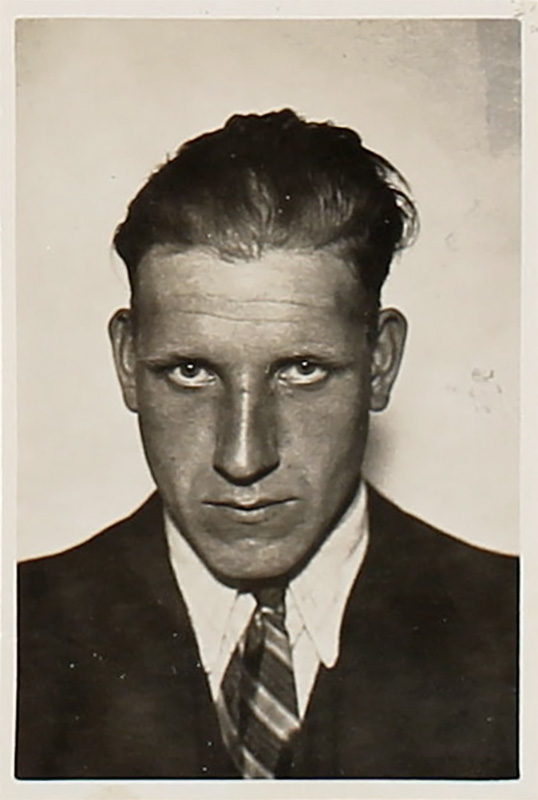

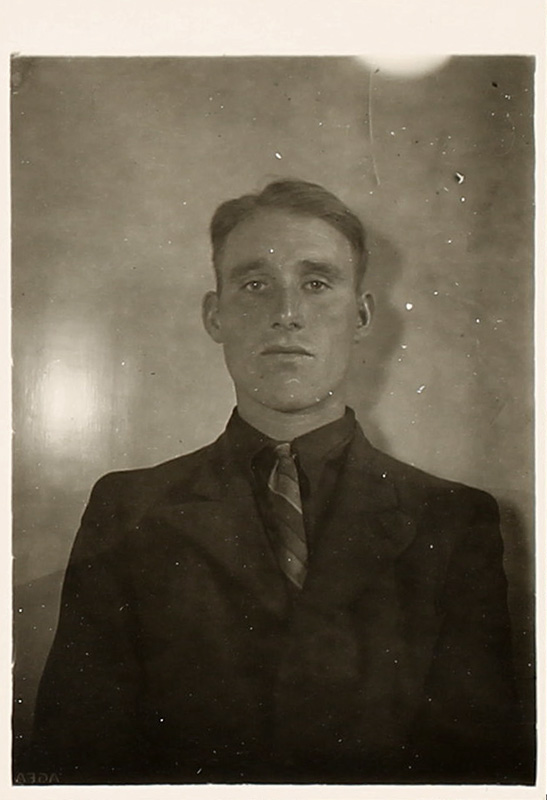
Georg Marienberg, 1938.
NLA Hannover Hann. 138 Lüneburg Acc. 102/88 No. 1324.
A few weeks after his brother was sterilised, Georg Marienberg was also sterilised against his will. Nevertheless, he was denied permission to marry his fiancée. Instead, his fiancée was to marry a man who was »genetically healthy«. Georg successfully appealed against this decision to the Reich Minister of the Interior.
Thea Marienberg fought against her sterilisation. She almost succeeded thanks to a »certificate of fitness for marriage« issued by the Hamburg Health Authority. This contradicted the decision of the Lüneburg Hereditary Health Court, which was issued on the same day. Because the Hamburg authority withdrew the certificate at the insistence of Hans Rohlfing, her appeal failed. She only received permission to marry after her forced sterilisation.
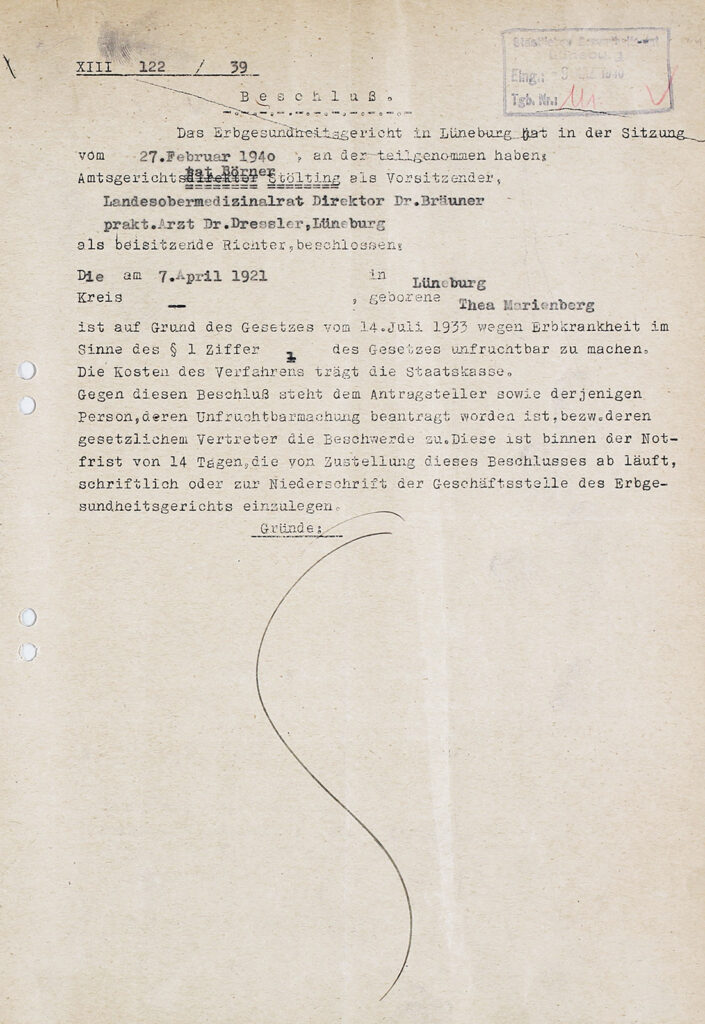
Excerpt from the decision of the Lüneburg Hereditary Health Court regarding Thea Marienberg dated 27 February 1940.
NLA Hannover Hann. 138 Lüneburg Acc. 102/88
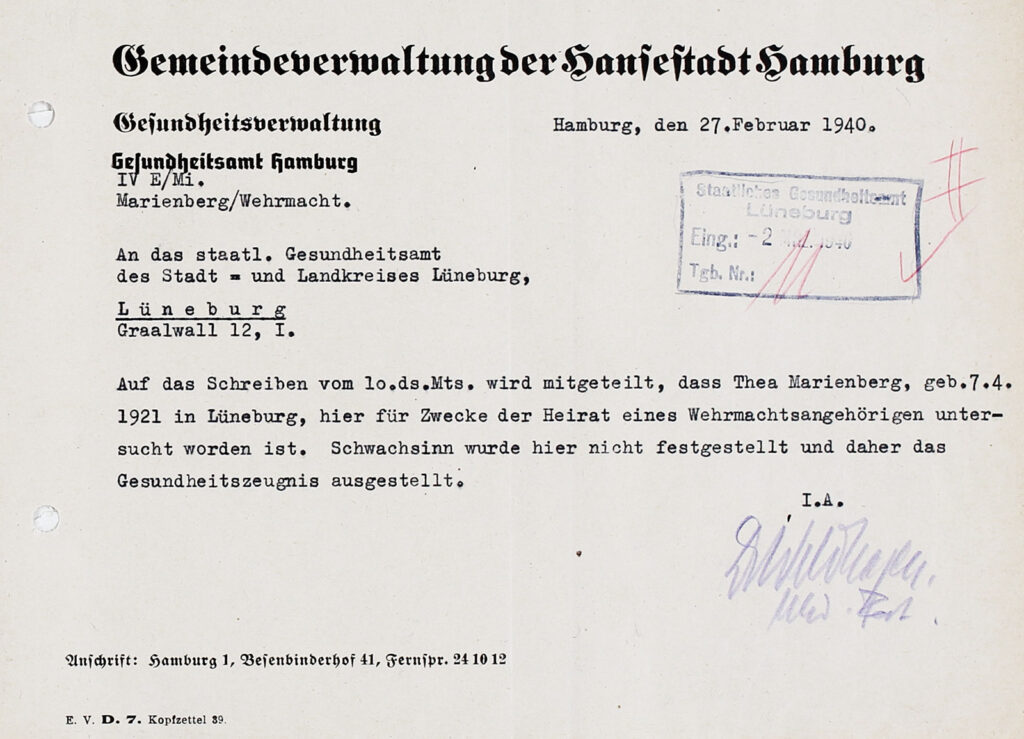
Letter from the Hamburg Health Authority to the Lüneburg Health Authority regarding Thea Marienberg, dated 27 February 1940.
NLA Hannover Hann. 138 Lüneburg Acc. 102/88 No. 208.
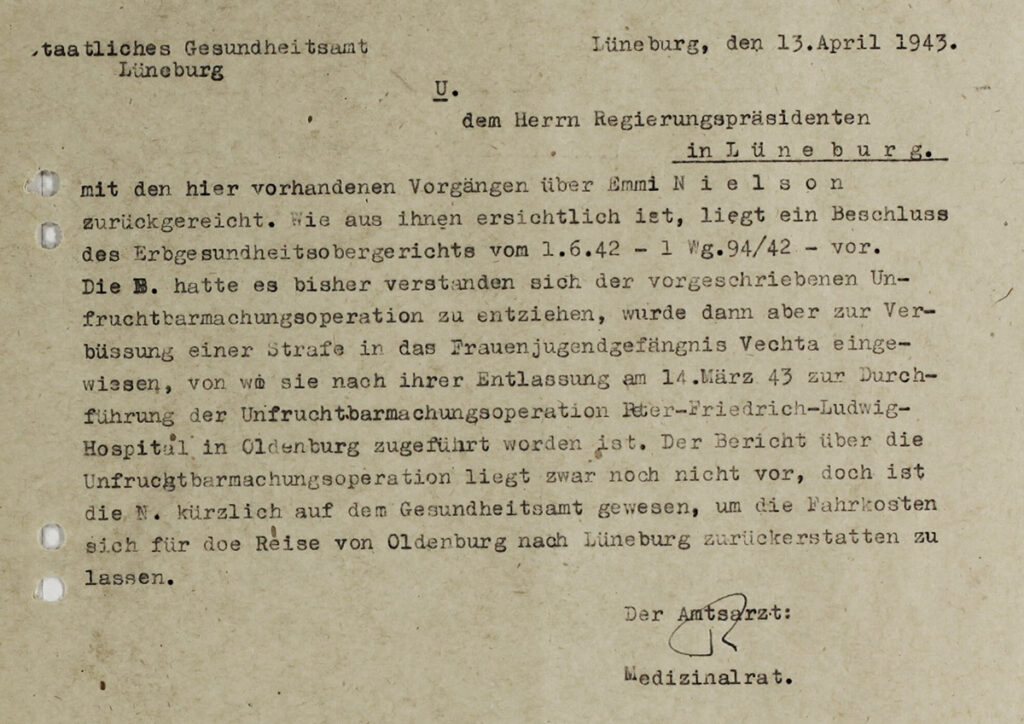
Letter from the Lüneburg Health Authority to the District President dated 13 April 1943.
NLA Hanover Hann. 138 Lüneburg Acc. 102/88 No. 2472.
Emmi Nielson (née Marienberg) refused the operation and resisted by not showing up for her surgery appointment. She was then sought by the police and arrested. For her resistance, she received a six-month prison sentence, which she had to serve in a women’s prison. There was no parole. Immediately after her release from prison, she was forcibly sterilised.
HEINRICH RÖHRUP (1914 – 1941)
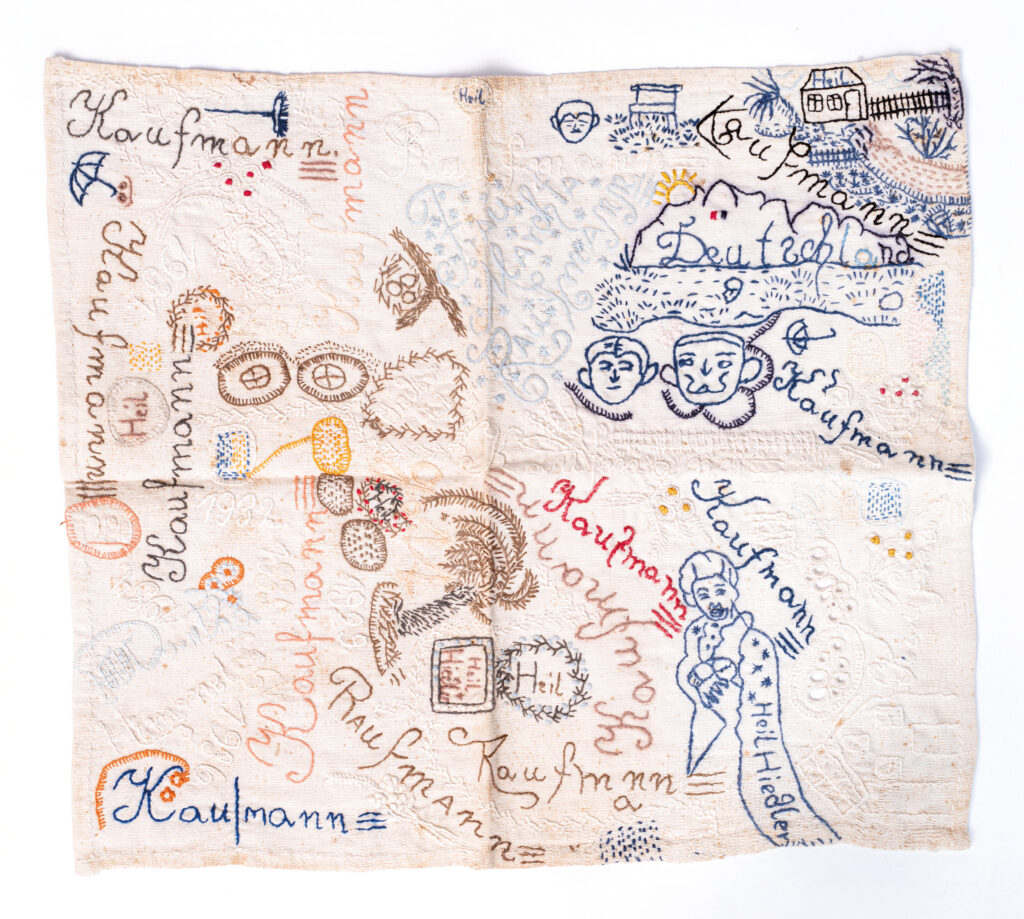
Handkerchief, embroidery on cotton, probably by Martha Kaufmann, about 1929–1936.
ArEGL 168.
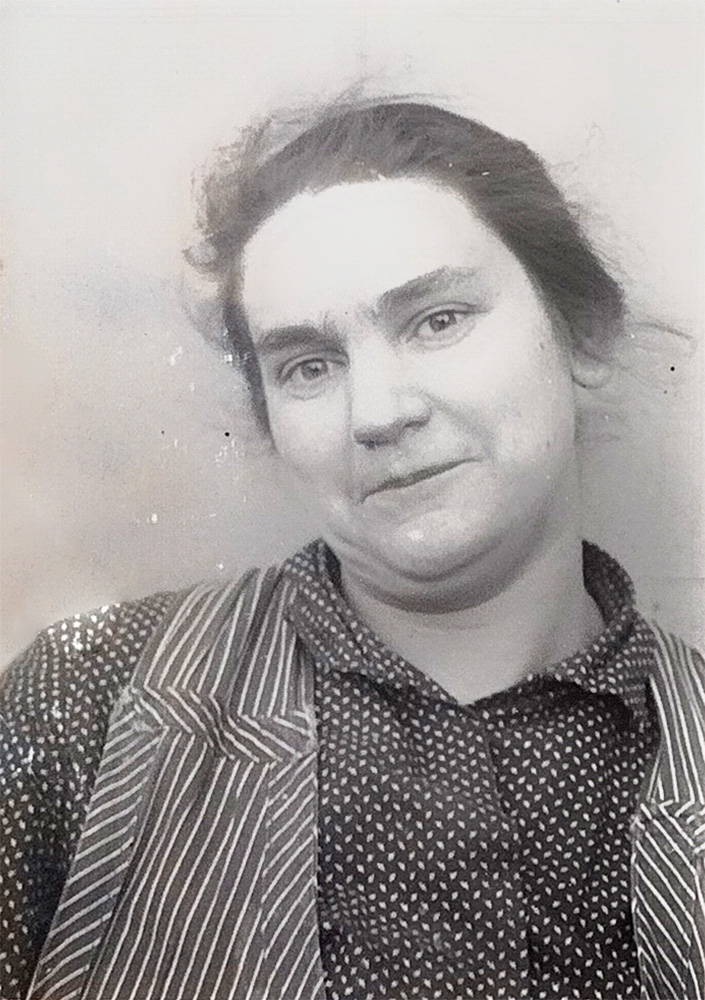
Martha Kaufmann, around 1930.
NLA Hanover Hann. 155 Lüneburg Acc. 2004/066 No. 09222.
»Heil Hiedler« was embroidered on the handkerchief several times. The embroidery was probably done between 1929 and 1936. The name »Marchta [R]Kaufmann« is embroidered on the handkerchief sixteen times. It can therefore be assumed that it came from her. Martha Kaufmann was murdered on 12 May 1941 in the Hadamar killing centre. She was considered »unfit for work«, »useless« and, from the perspective of the time, »unworthy of life«.
THERESE SCHUBERT (née KECK) (1884 – 1941)
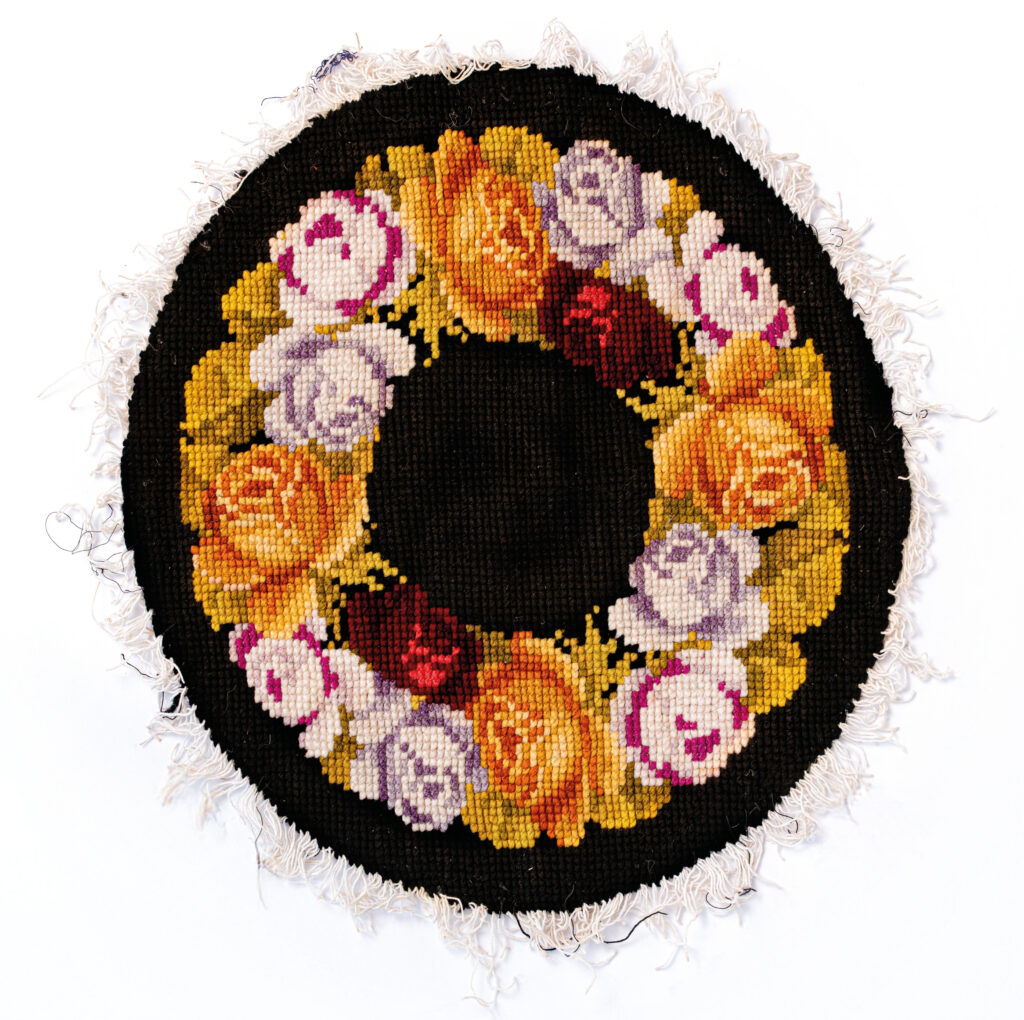
Tapestry embroidery, handcrafted by Therese Schubert, Lüneburg, around 1930.
ArEGL 94.
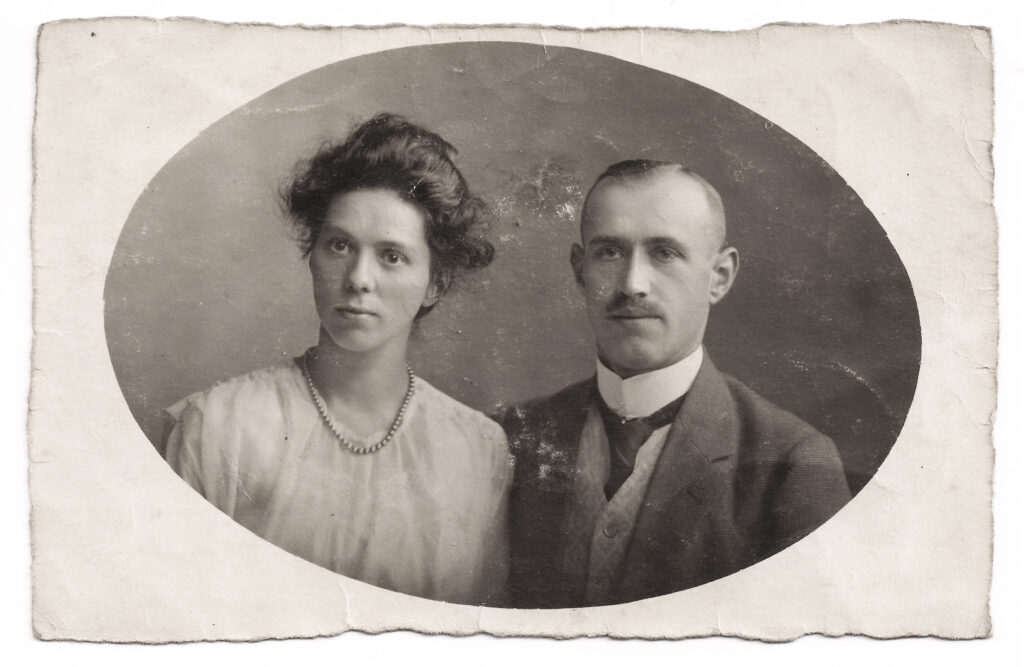
Therese and Heinrich Schubert, wedding photo, 21 September 1920. A few years later, Heinrich died and Therese Schubert fell ill.
Private collection of Ulrike Haus.
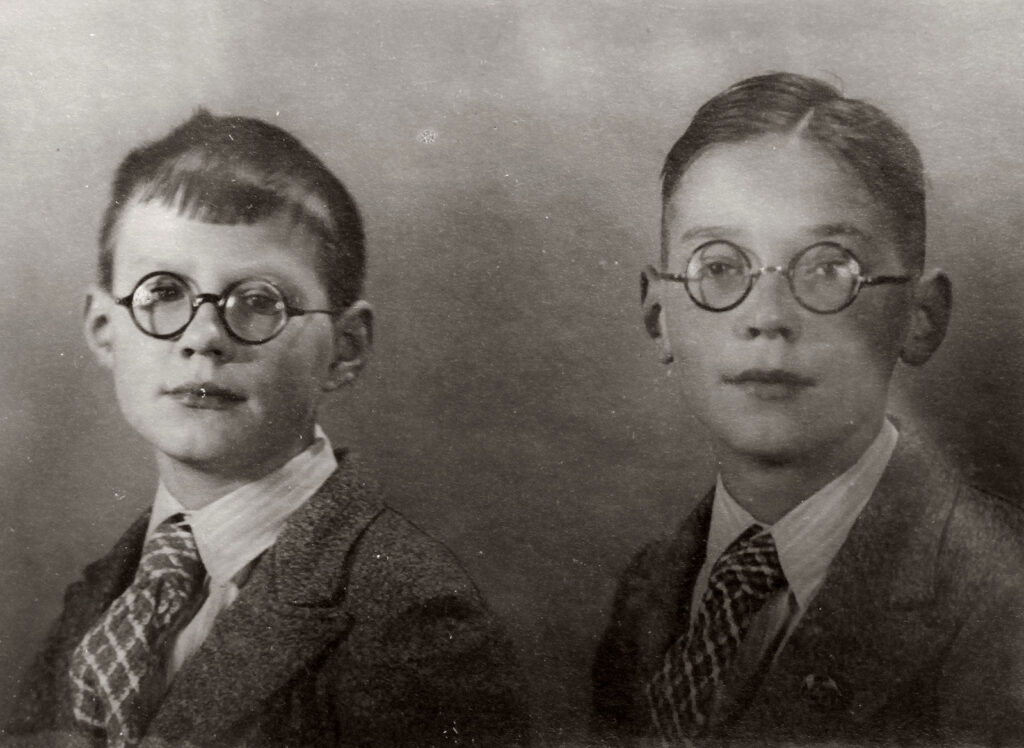
Private property of Ulrike Haus.
Jürgen and Theo Schubert in 1932 when their mother Therese Schubert was first admitted to the Lüneburg mental hospital. After Therese was readmitted to Lüneburg in 1936, her sister Christine Keck frequently sent Theo to the hospital to bring their mother oranges and cake. Out of fear, Theo left the items with the porter and therefore never saw his mother again.
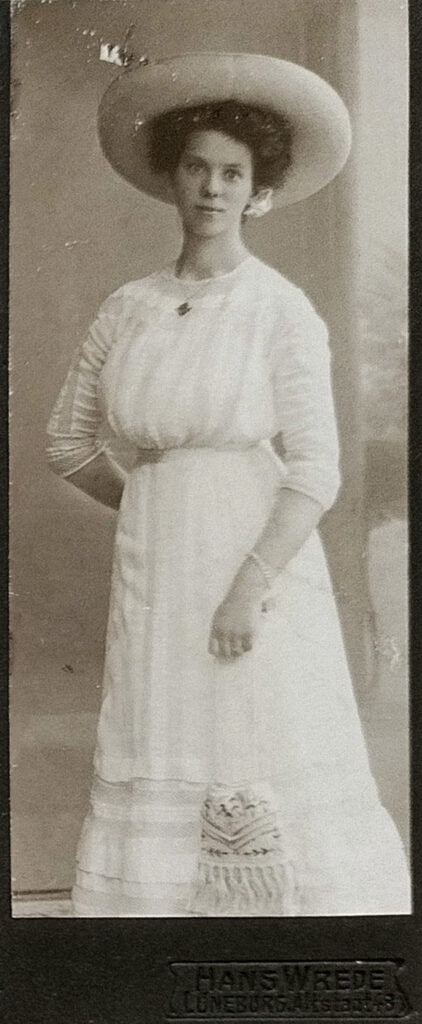
Photograph by Therese Schubert, Lüneburg (Studio Hans Wrede), around 1907.
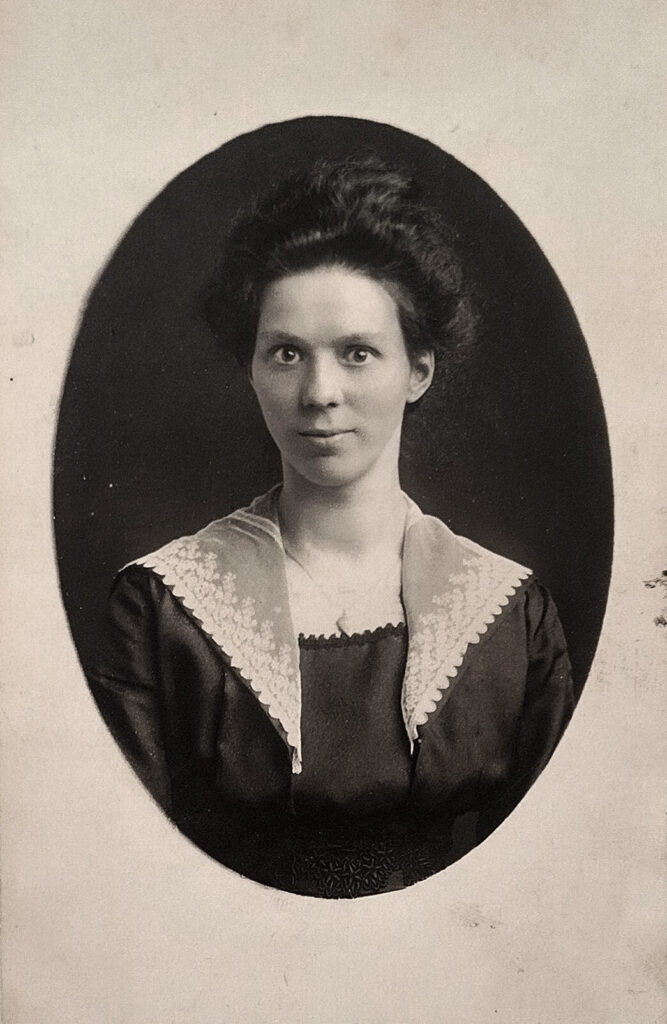
Photograph of Therese Schubert, portrait, Lüneburg, around 1914.
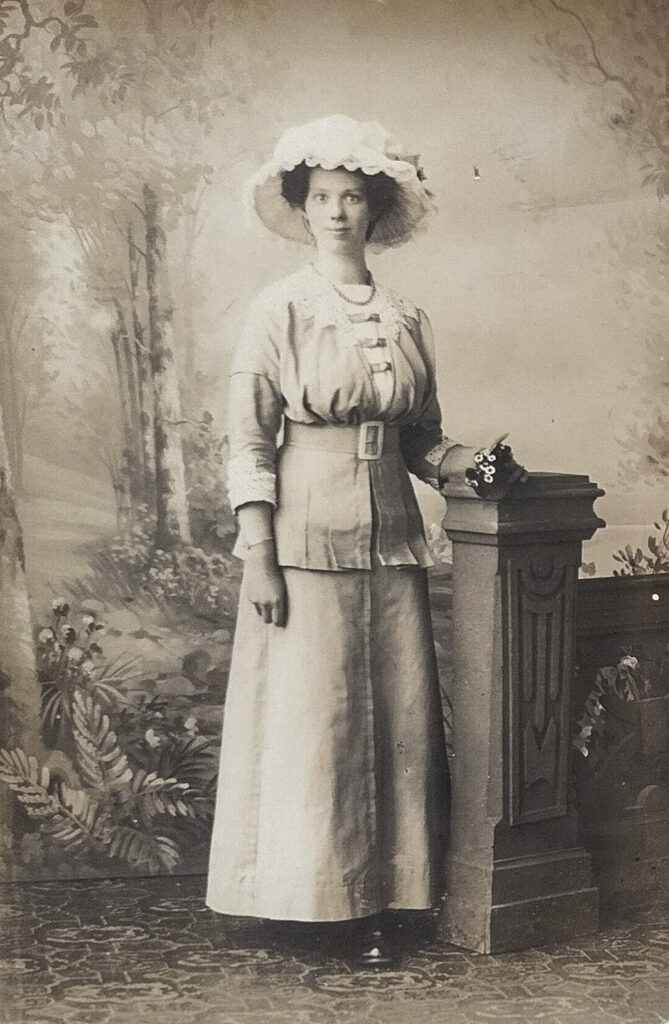
Photograph by Therese Schubert, studio photograph, Somerset (USA), around 1913.
Private collection of Ulrike Haus | ArEGL 91, 92, 93.
Many photographs of Therese Schubert have been preserved. Thanks to their middle-class background, the family could afford to go to a photographer. The portrait was taken in connection with her training as a nursery school teacher.
ELFA SEIPEL (1897 – 1941)
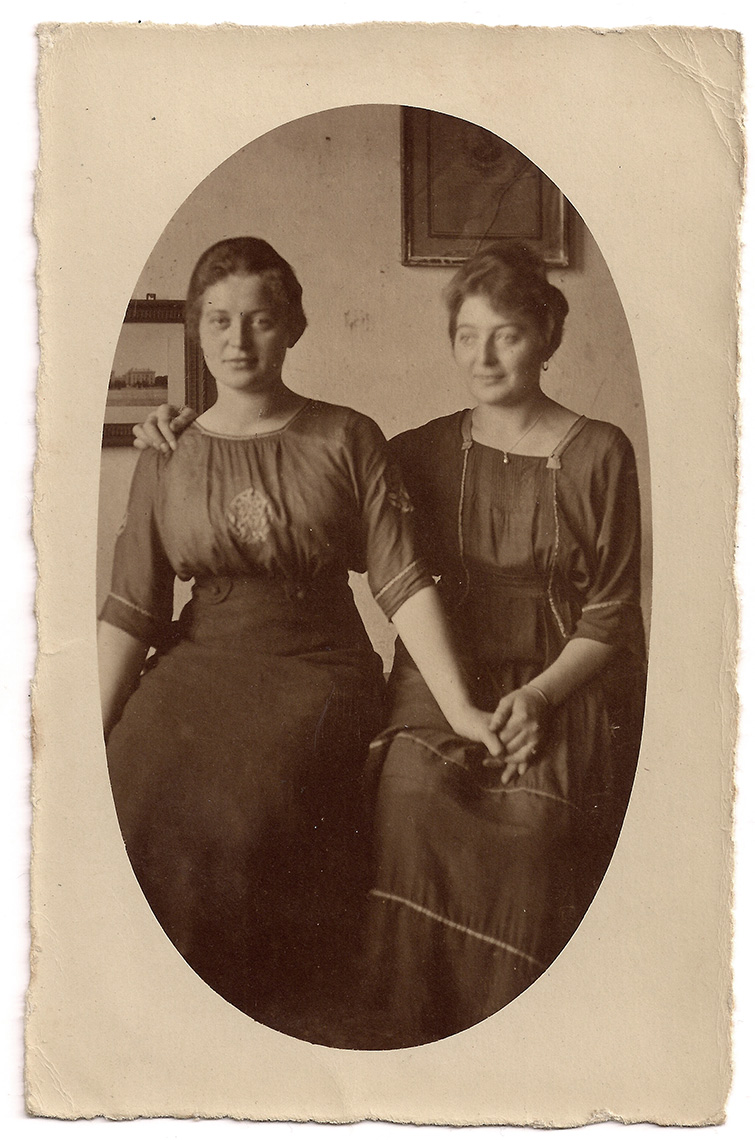
ANNA WICHERN (1896 – 1941)
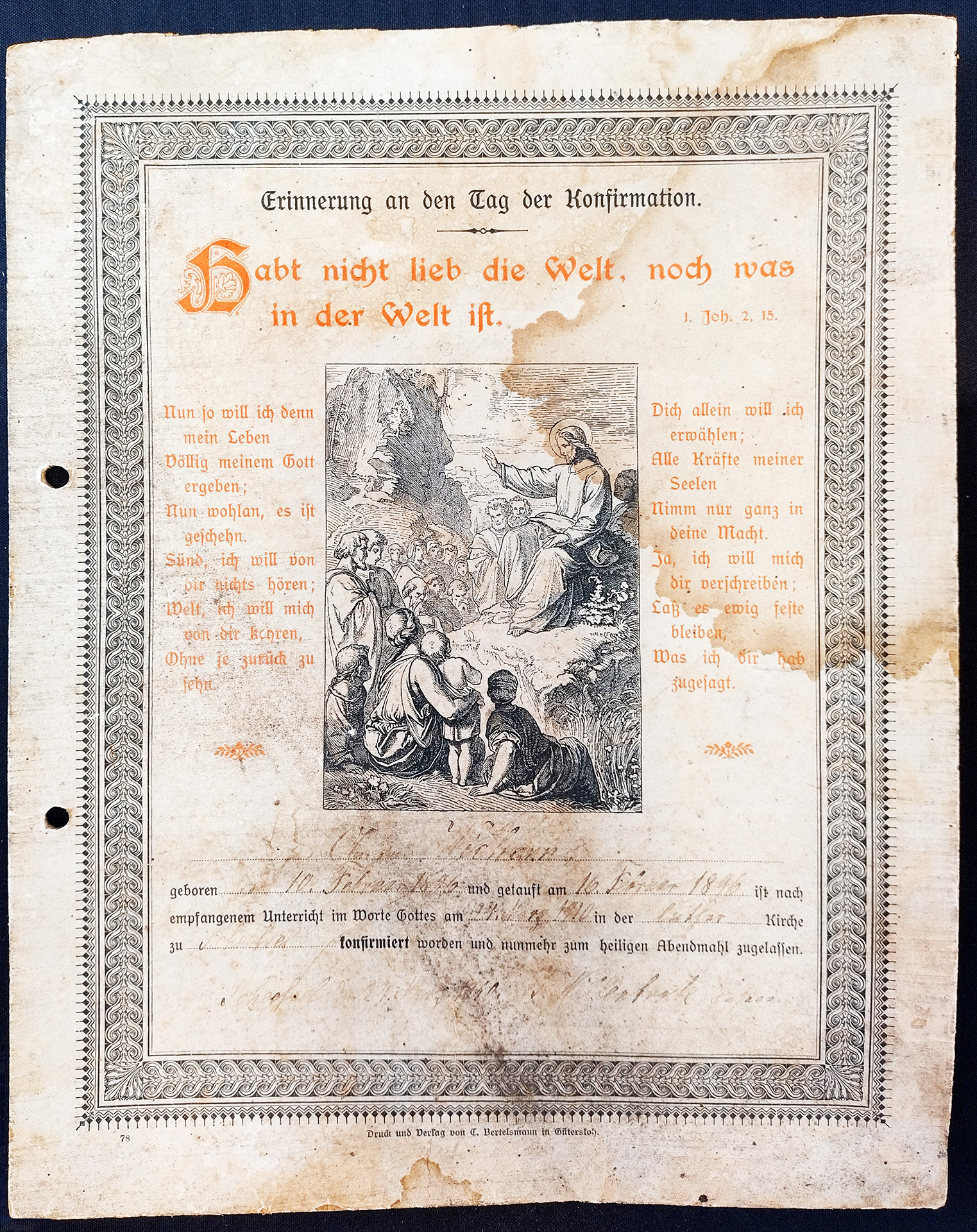
OSKAR (1903 – 1941) aND HANS POHLMANN (1899 – 1942)
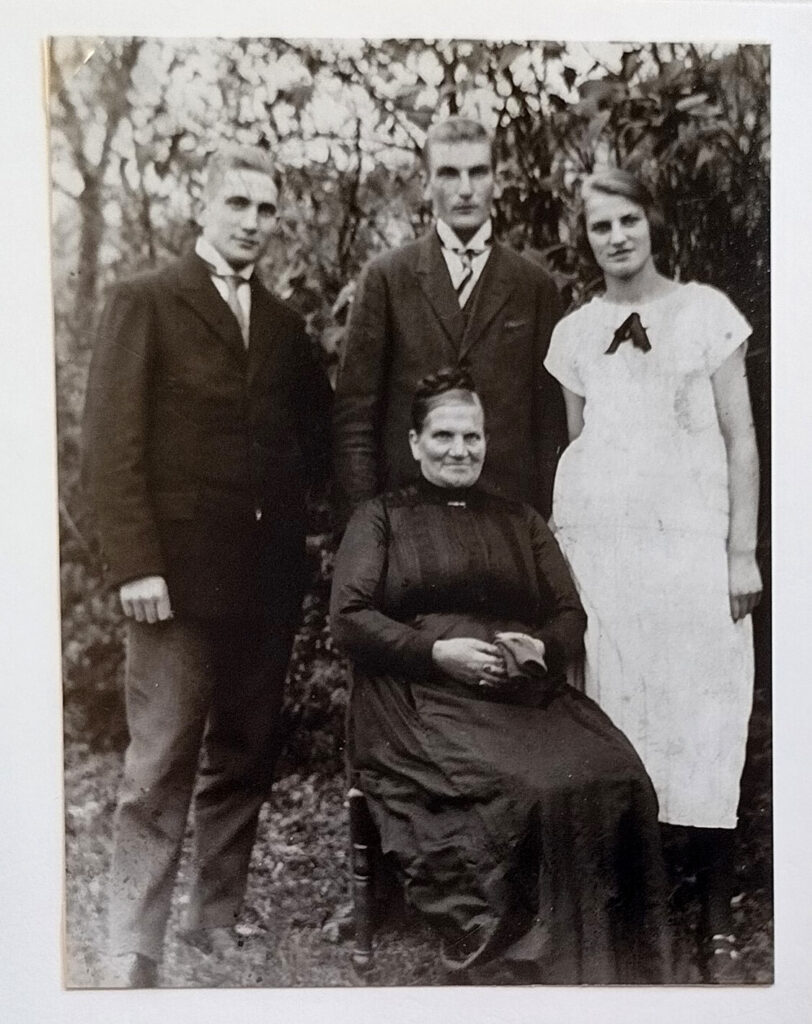
The siblings Oskar, Hans and Alma Pohlmann with their mother Berta Pohlmann, around 1933.
ArEGL 131.
The Pohlmann family came from Wieren (Uelzen). They had owned a shoemaker’s workshop for generations and moved to Bodenteich in 1908. There, Berta Pohlmann ran a grocery store. Her son Oskar was very musical and played the violin, flute and trumpet. Her eldest son Hans continued the family tradition and became a shoemaker. Both brothers fell victim to »euthanasia«. Oskar (born in 1903) was murdered in 1941 in the Hadamar killing centre. Hans (born in 1899) died in 1942 in the Lüneburg mental hospital. If it had become known that both sons had died in an institution, no one would have shopped at her store anymore. Therefore, Berta Pohlmann claimed that her sons had been killed in the war and had both of them buried in the cemetery in Bodenteich.
Ida Zettel’s parents ran the upper-class Bahnhofshotel in Hamburg-Harburg. After their death, her siblings Toni and Theodor took over the hotel. Due to inflation in 1923 and the ensuing economic crises, they were unable to keep the hotel. The upper floors were rented out. In 1937, the East Hanover Gauleitung moved in. Ida Zettel was murdered on 16 June 1941 in the Hadamar killing centre.

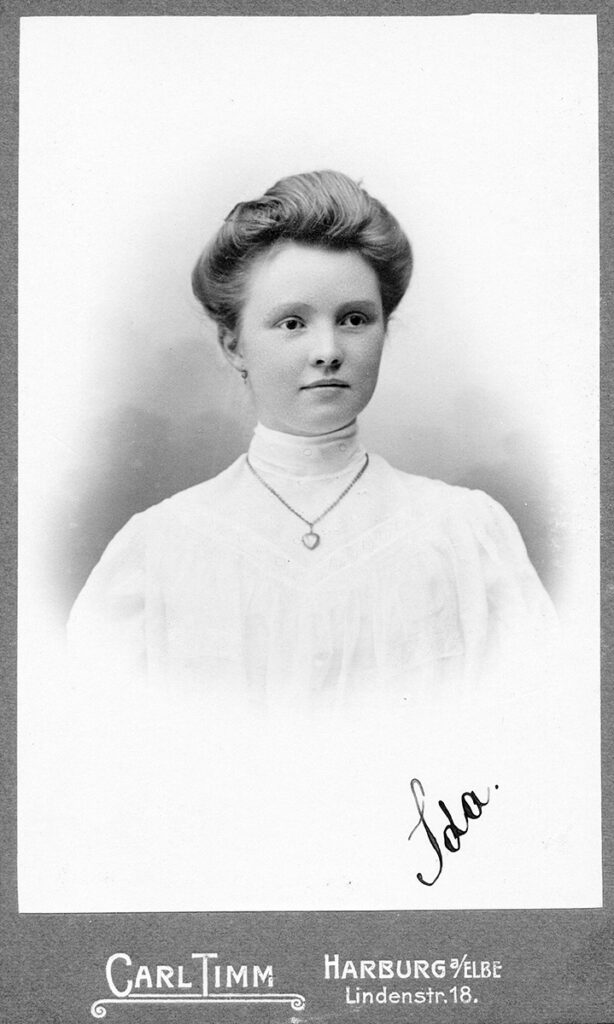
Ida Zettel, around 1904.
ArEGL 173-3.
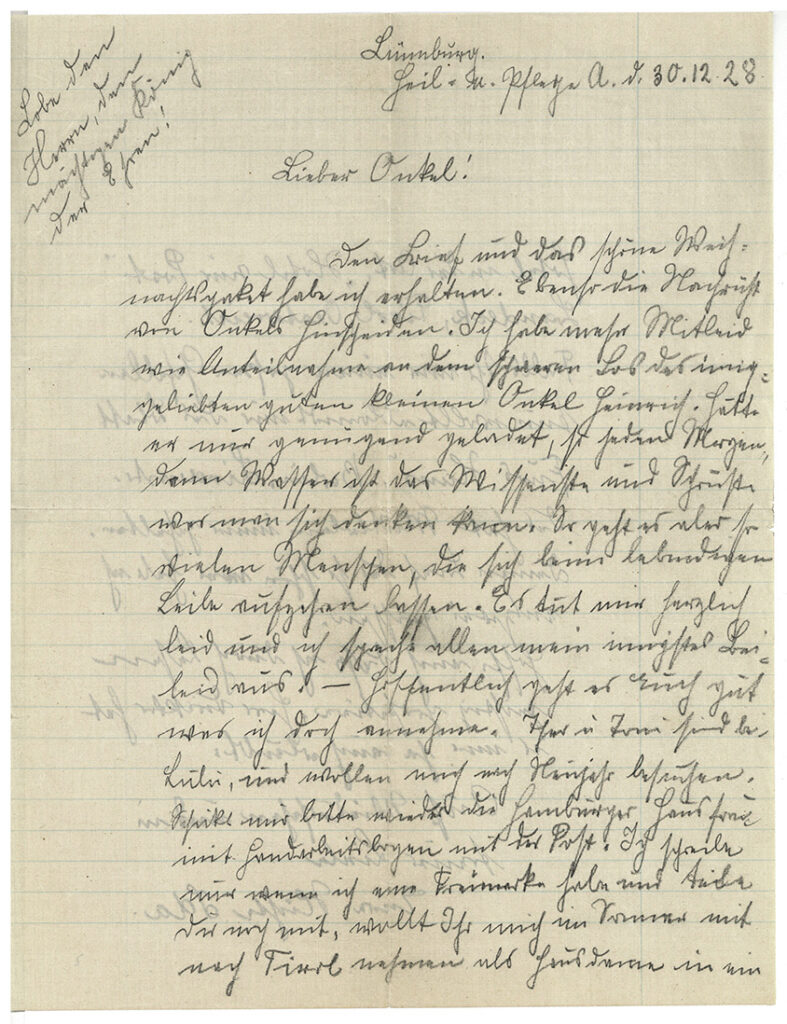
Letter from Ida Zettel at the Lüneburg institution to her uncle Georg dated 30 December 1928, front side.
ArEGL 173-12
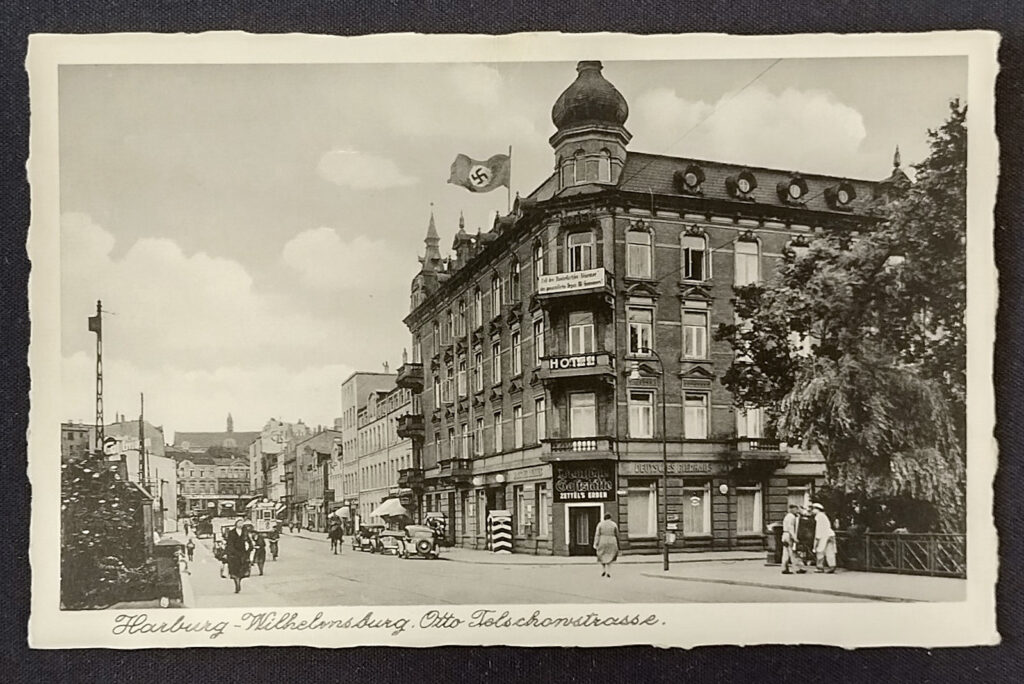
Postcard of the Bahnhofshotel Harburg as the headquarters of the Gau Ost-Hannover, before 1937.
ArEGL 173-10.
A medical record was created for each patient. This is Peter Behrens‘ medical record. Some records include a photograph. These were always affixed to the top left of the first page. A photographer visited the institution for this purpose. He photographed all patients who were staying for a longer period of time. The stamp in the top right-hand corner of the medical record shows that Peter Behrens was admitted to the Lüneburg mental hospital against his will and by police force. He was assessed as »hereditarily diseased«. As a result, his sterilisation was requested and carried out on 11 August 1938. The upper red stamp confirms that Peter Behrens was registered by the health authorities as »hereditary biological« and that a file was created for him and his entire family. Each family member was examined to determine whether they might have a congenital or potentially hereditary disease.
The second red stamp indicates that Peter Behrens received insulin shock treatment. This involved deliberately lowering his blood sugar levels and inducing a coma for several minutes. The procedure was repeated several times, placing additional strain on the patient. In some cases, it triggered seizures. It was not until 1955 that the ineffectiveness of shock treatment was recognised, and it has not been used since.
»7.3.41 transferred« means that Peter Behrens was transferred to the Pirna-Sonnenstein killing centre on that day. It is the handwriting of Rudolf Redepenning, who knew at the time what a transfer to the Saxon institution meant. Peter Behrens is a victim of »Aktion T4«.
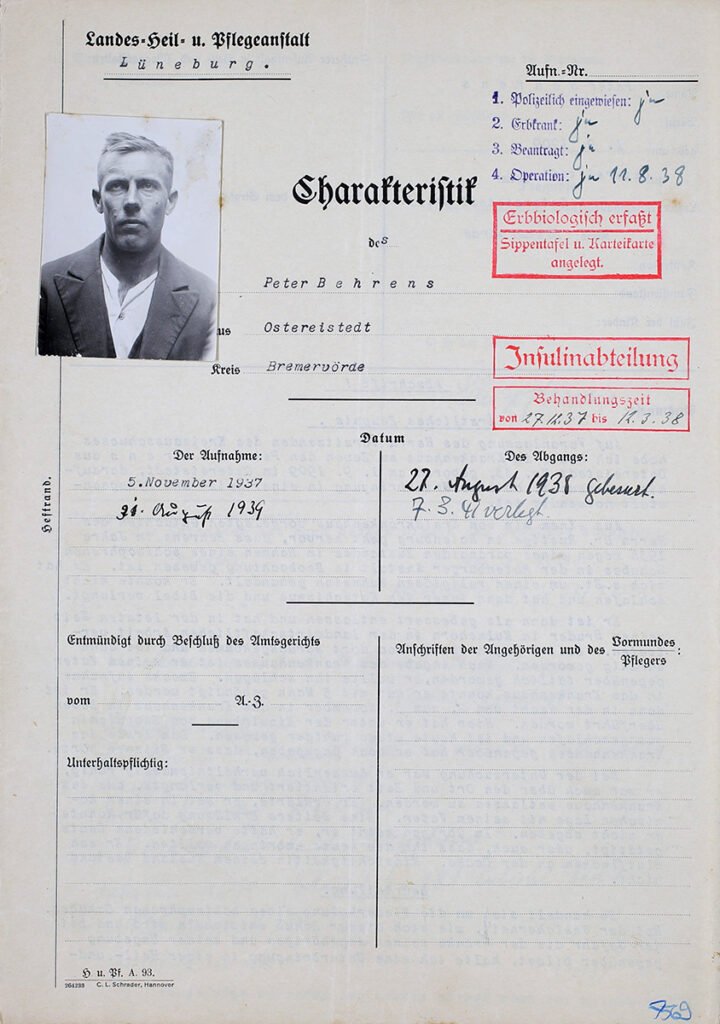
Medical records of Peter Behrens, 1937.
NLA Hanover Hann. 155 Lüneburg Acc. 2004/066 No. 07569.
Many adult victims of euthanasia may no longer have any family photographs. For some individuals, there is at least a picture from their medical records. These are problematic images, as they were not taken voluntarily at the Lüneburg institution and nursing home. The people in the photos are ill and in poor health. That is why these images are degrading. Nevertheless, they are shown here because it is important to give the victims a face.
