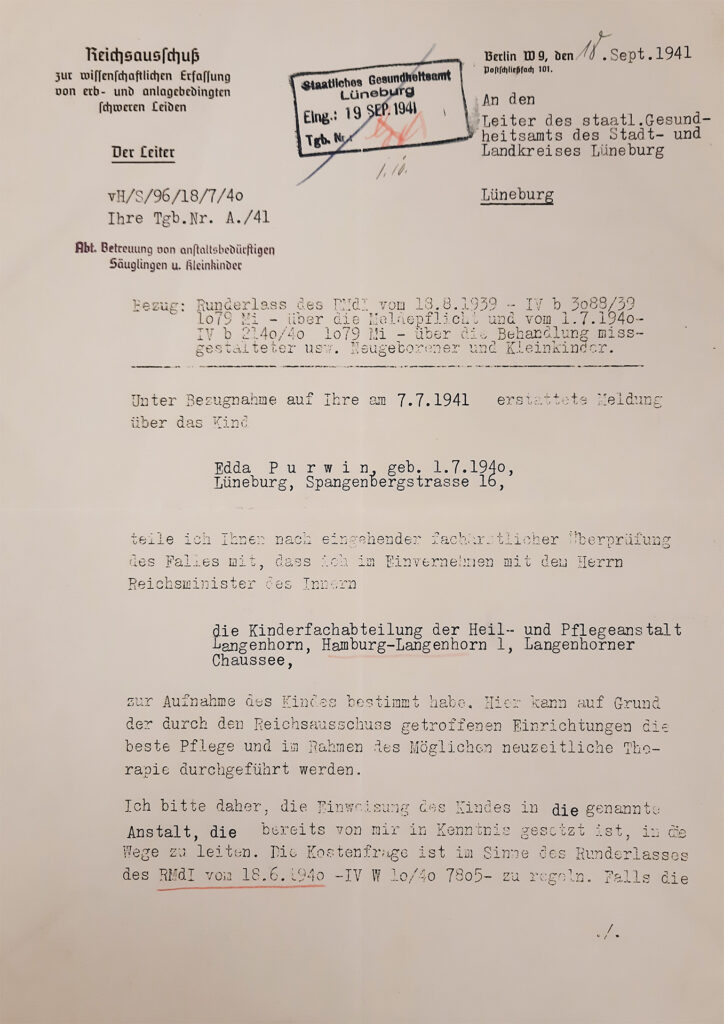
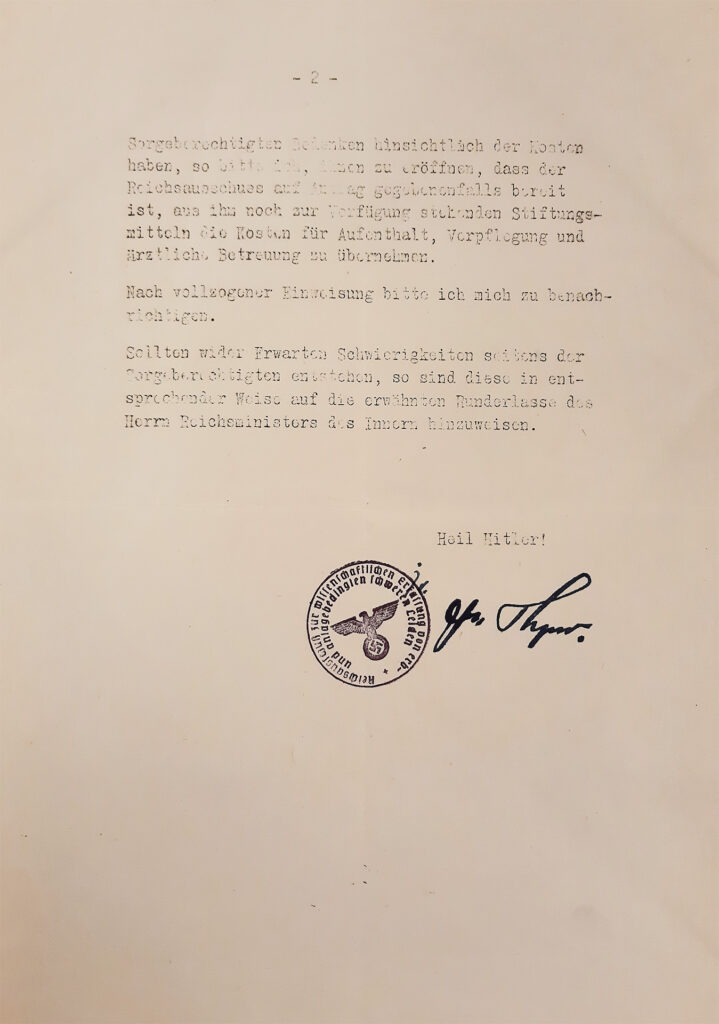
Instruction order of the »Reich Committee« dated 18 September 1941.
NLA Hanover Hann. 138 Lüneburg Acc. 102/88 No. 3027.
EDDA PURWIN (1940 – 1942)
When Friedrich Daps arrived at the »children’s ward« in Lüneburg, he had already been through a lot. After a few days at the Pestalozzi Foundation in Großburgwedel, he was transferred to the Hannover-Langenhagen institution, and from there to the Rotenburg institutions. This photograph is the only surviving image of him. It was probably taken at the Rotenburg institutions. Friedrich Daps came from Isernhagen; his father was a cemetery gardener. It was assumed that he was deaf and mute.

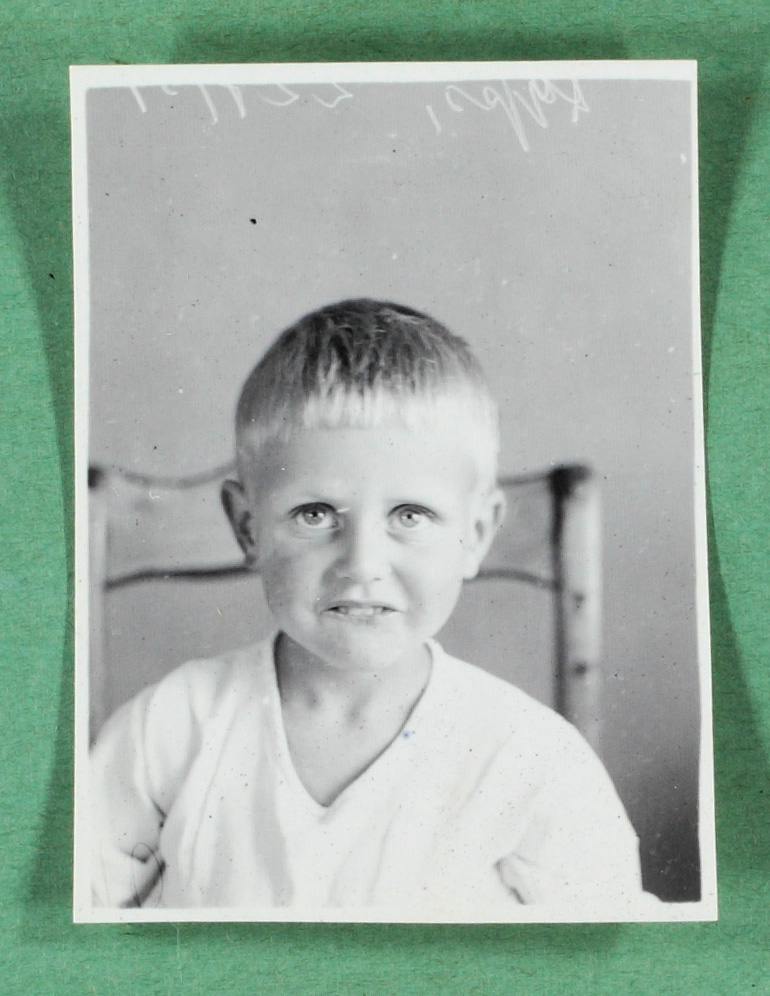
Friedrich Daps, 1938.
NLA Hanover Hann. 155 Lüneburg Acc. 56/83 No. 218.
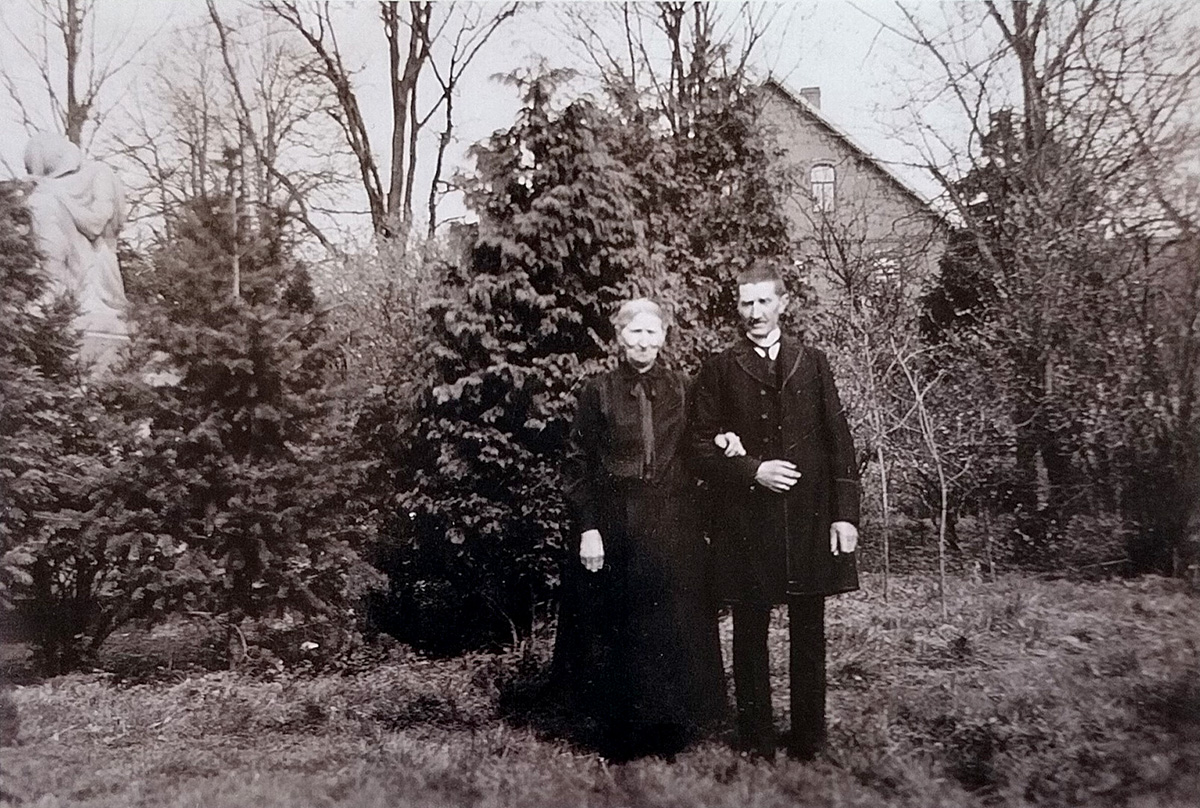
There are only these few photos of Friedrich Daps‘ family.
Dora and Gustav Daps (grandparents), Isernhagen, before 1914.
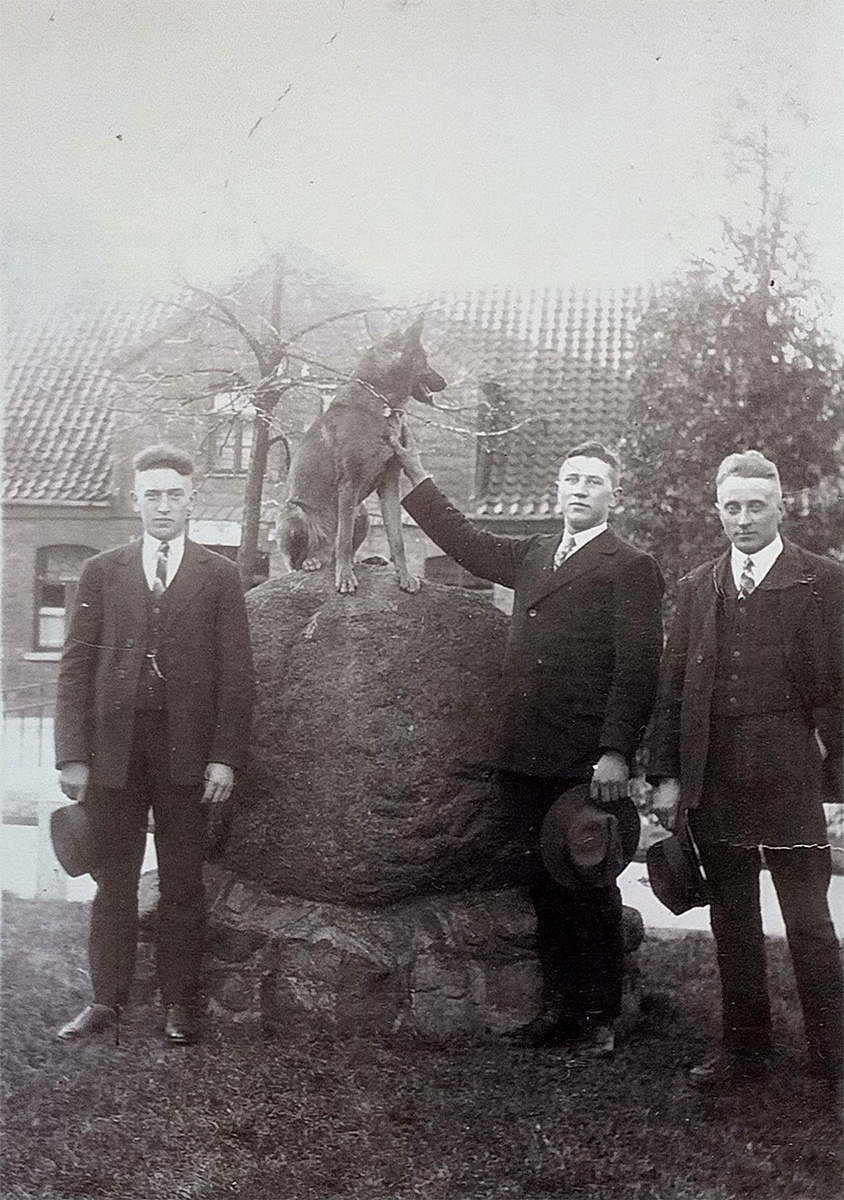
The brothers Fritz, Ernst and Willi Daps (father) (from left to right), around 1930.
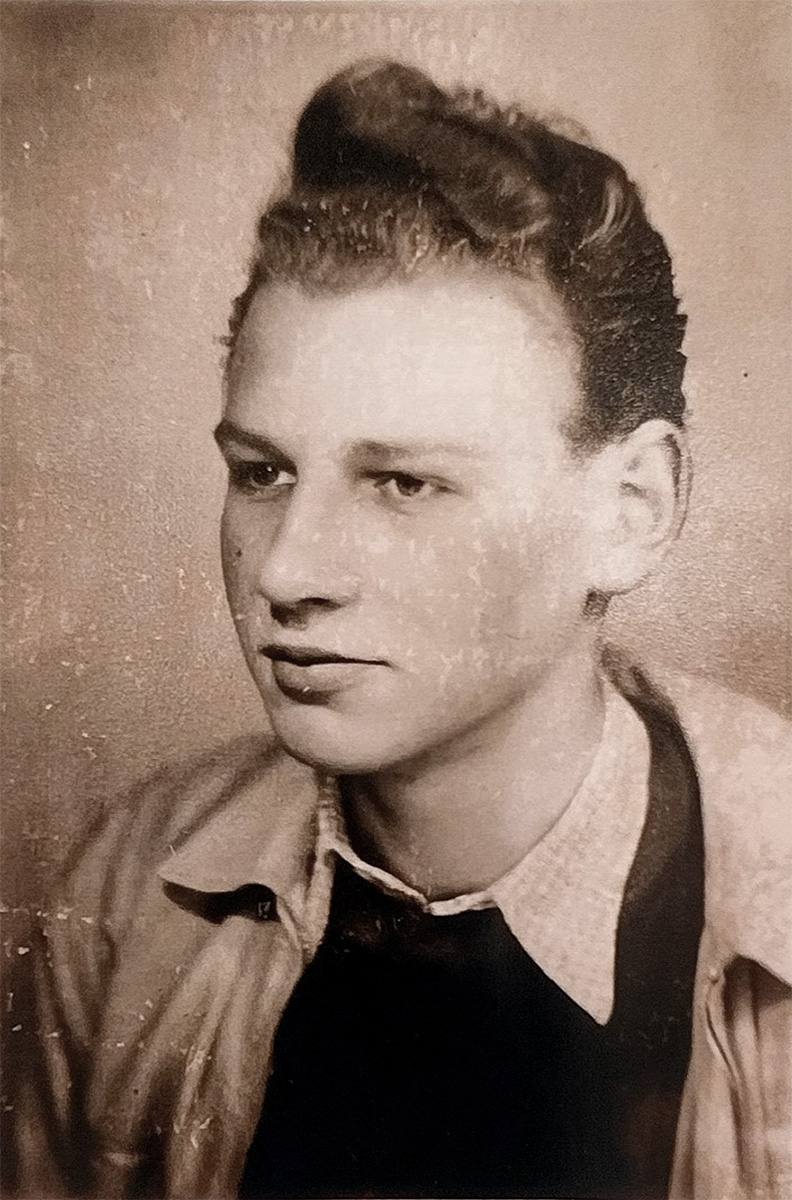
Ernst Daps Junior (cousin), before 1956.
ArEGL 126.
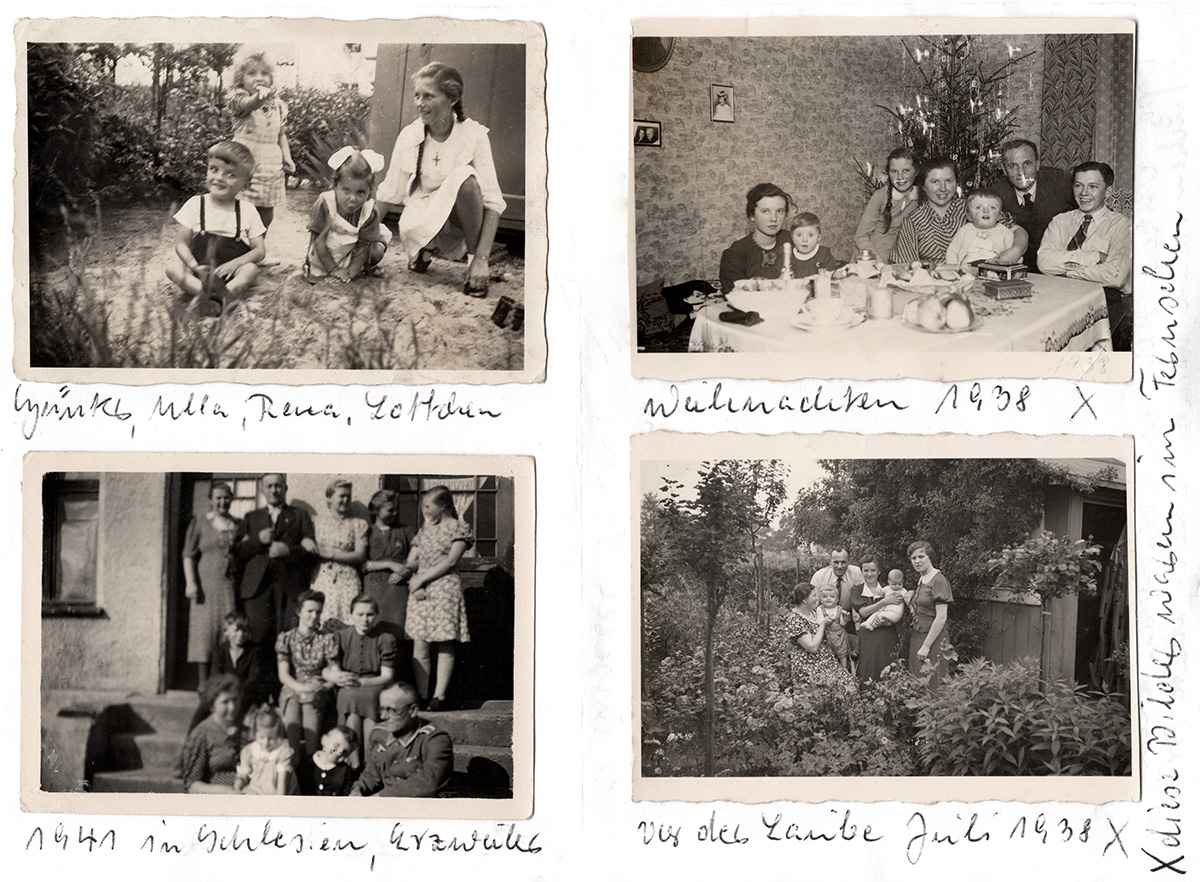
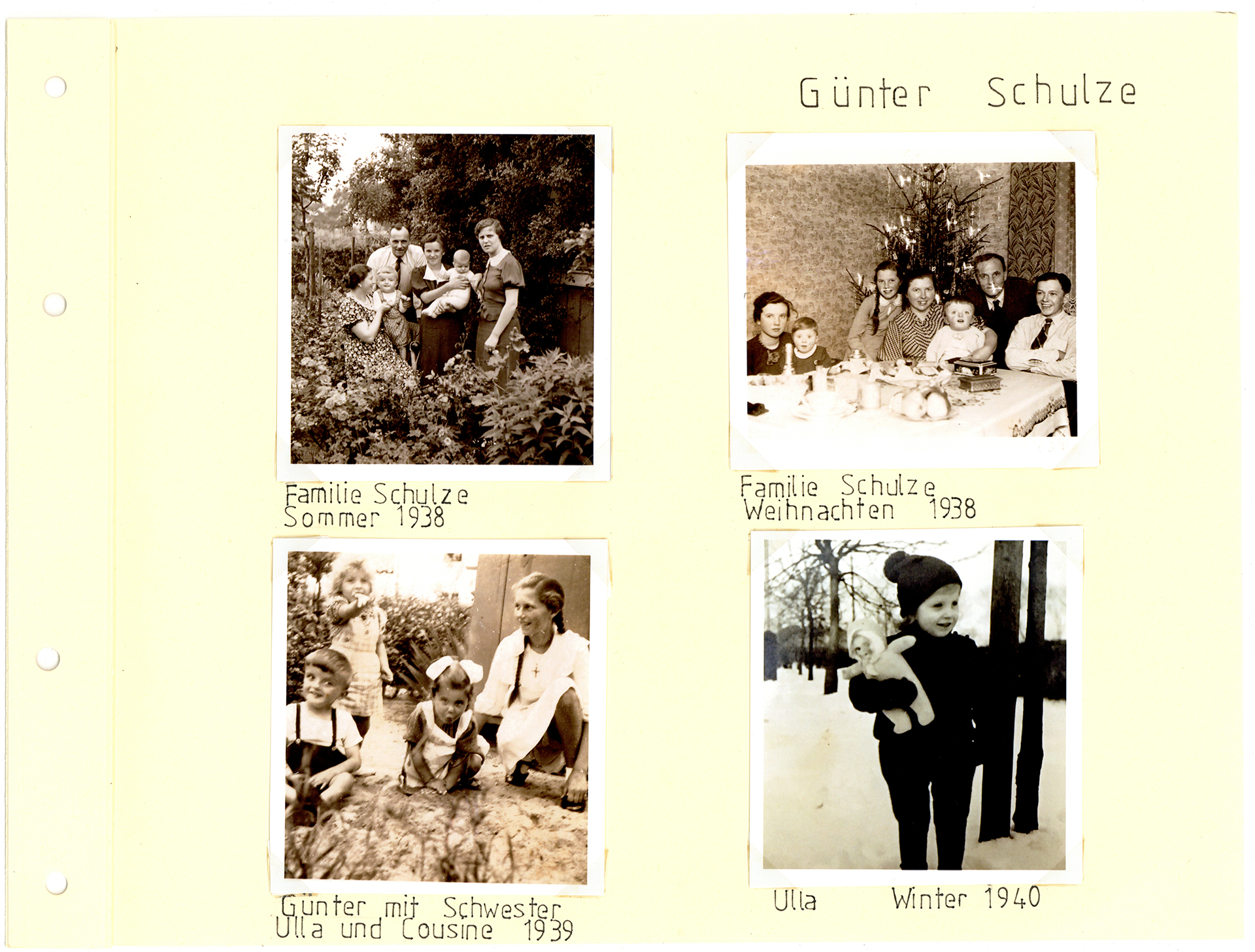
Four photos from an album show Günter Schulze surrounded by his family. He was a cheerful child and always involved in everything, 1938.
Private property of Ursula (Ulla) Heins | ArEGL 86.
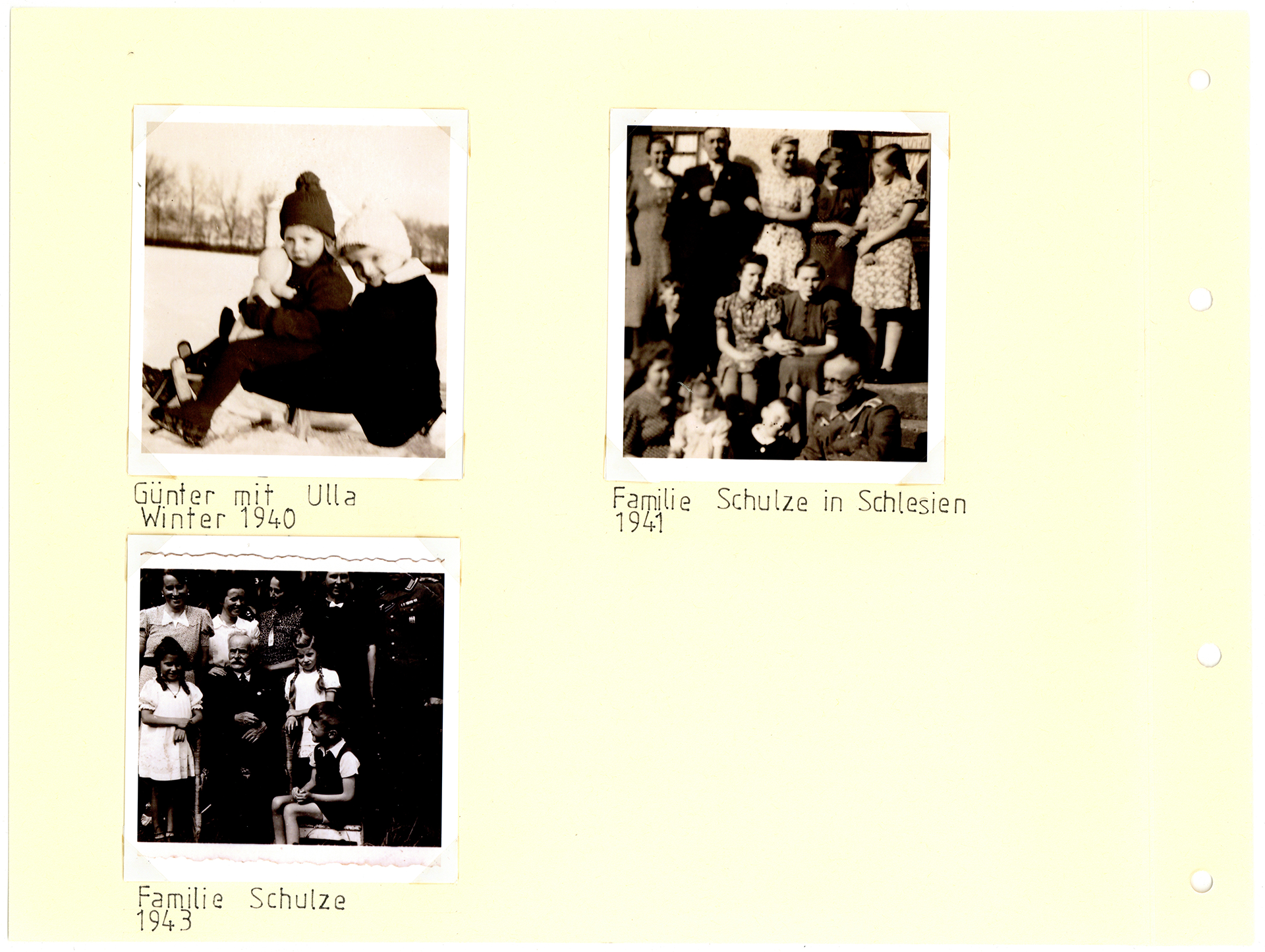
Page from a family album, 1938–1941.
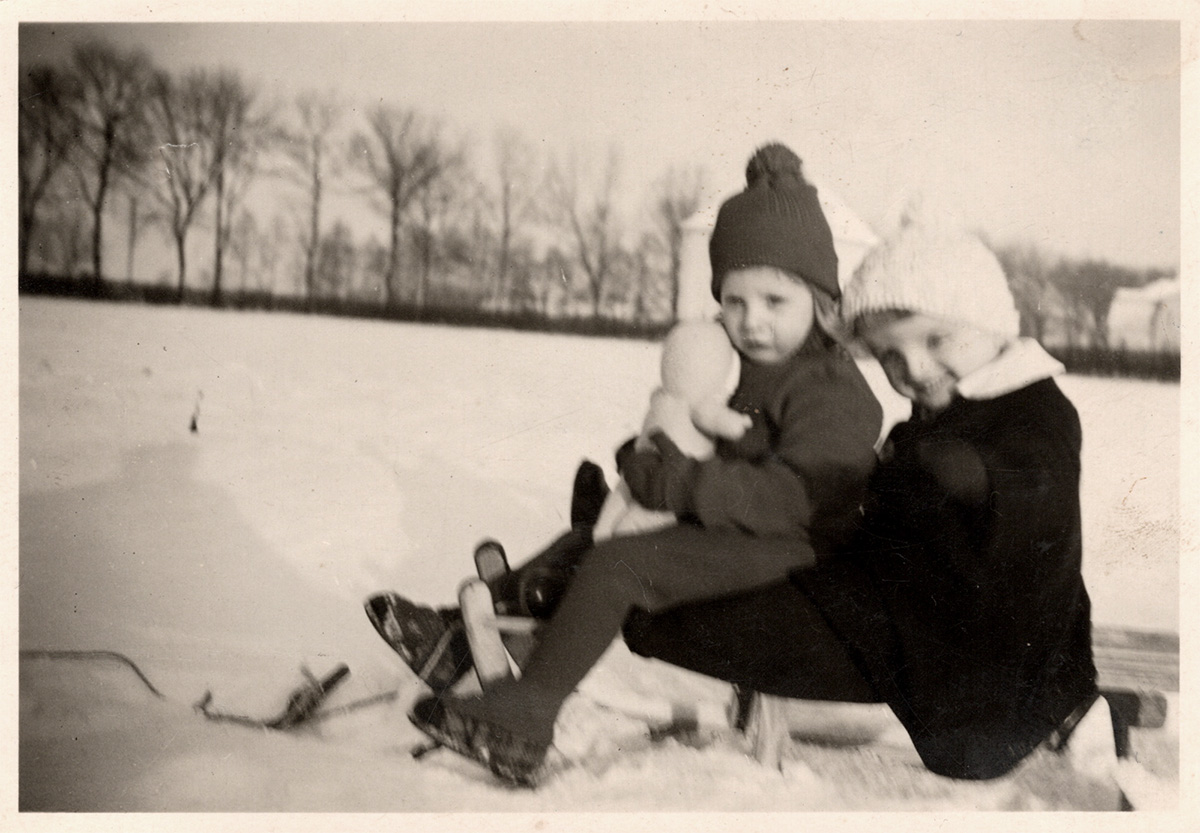
Photo of siblings Ulla and Günter Schulze sledding, 1940.
Private property of Ursula (Ulla) Heins | ArEGL 87.
For seven months, Günter’s mother refused to pay the nursing costs. Only after payment was received were her son’s clothes handed over to her in October 1945 – more than a year after Günter’s death. She had to travel to Lüneburg to collect them.
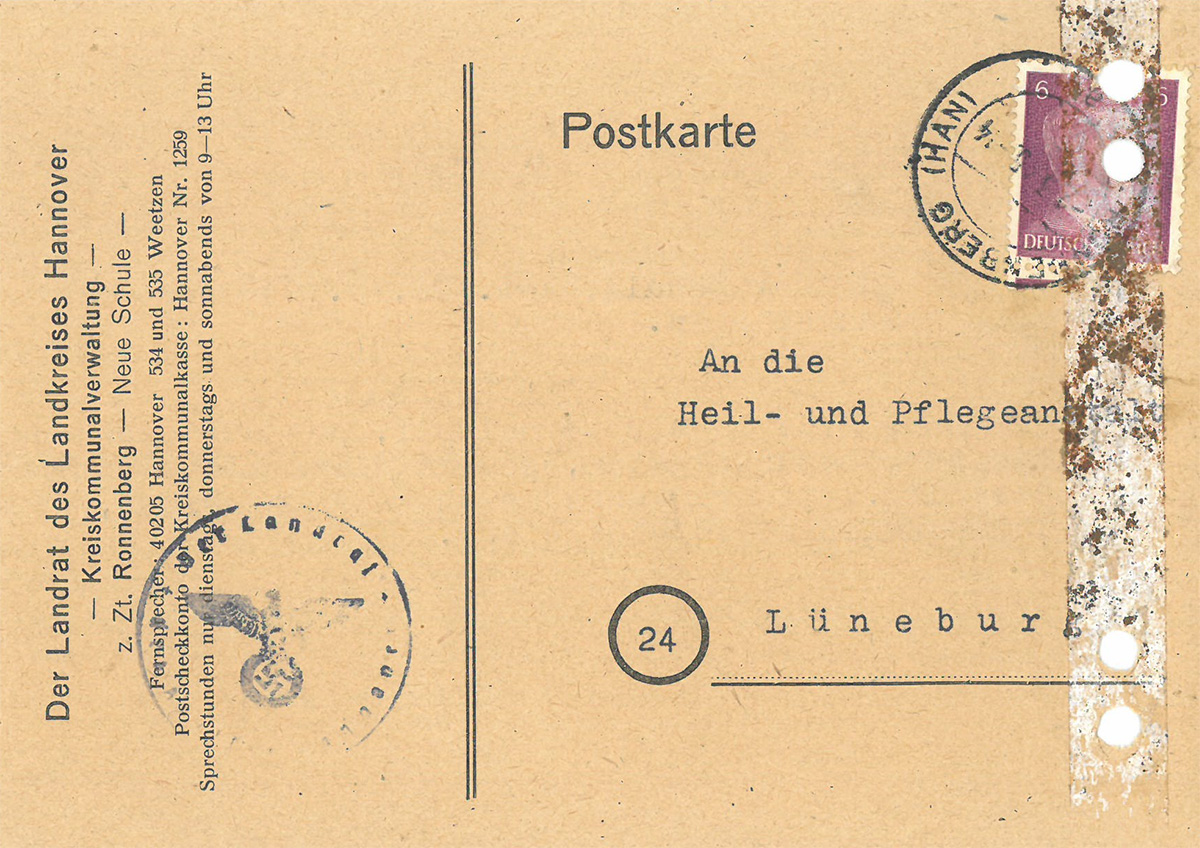
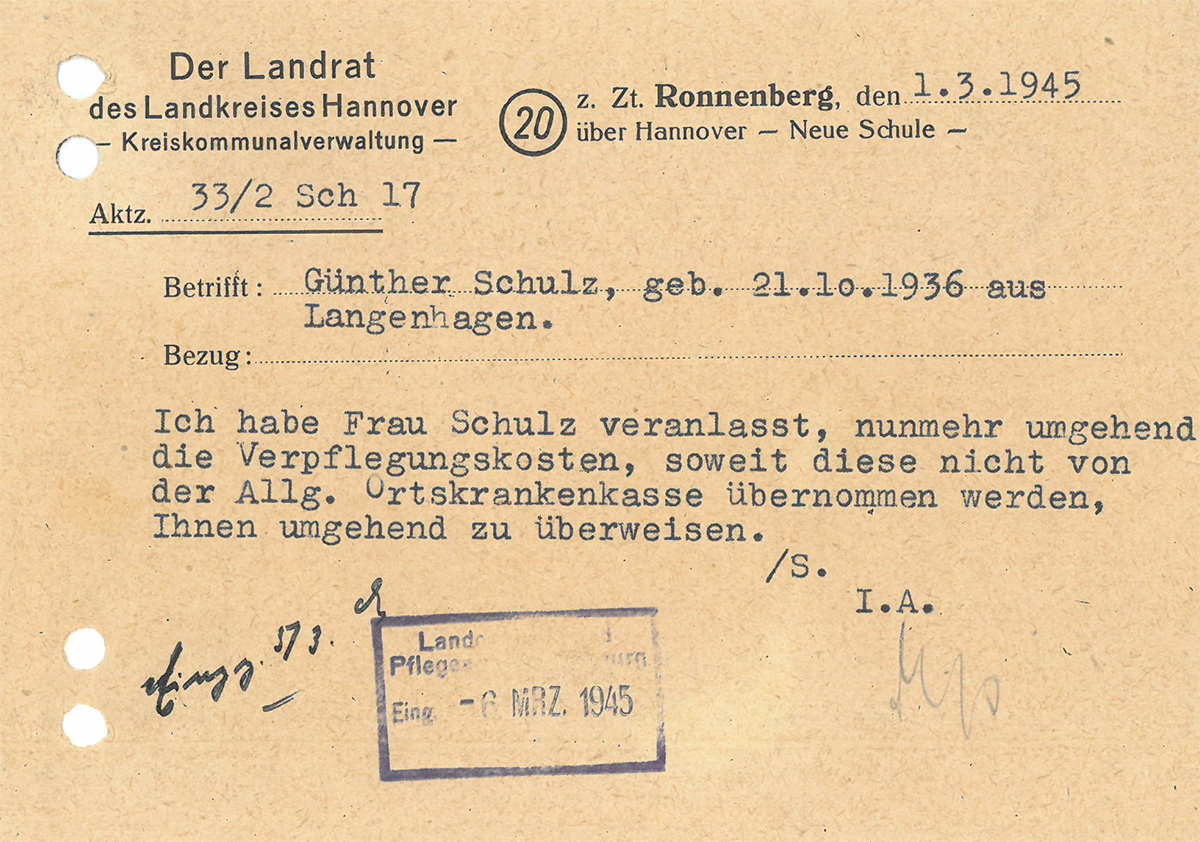
Postcard from the district of Hanover to the Lüneburg institution and nursing home dated 1 March 1945.
NLA Hanover Hann. 155 Lüneburg Acc. 56/83 No. 387.
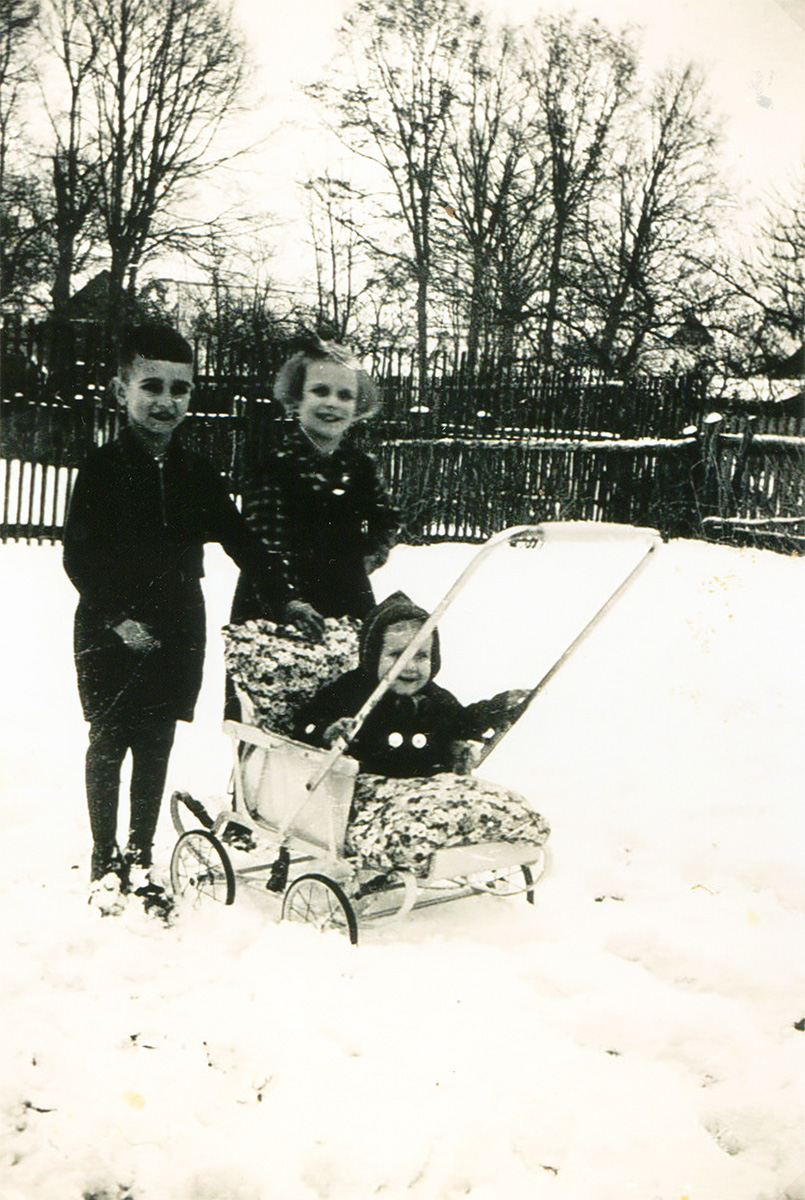
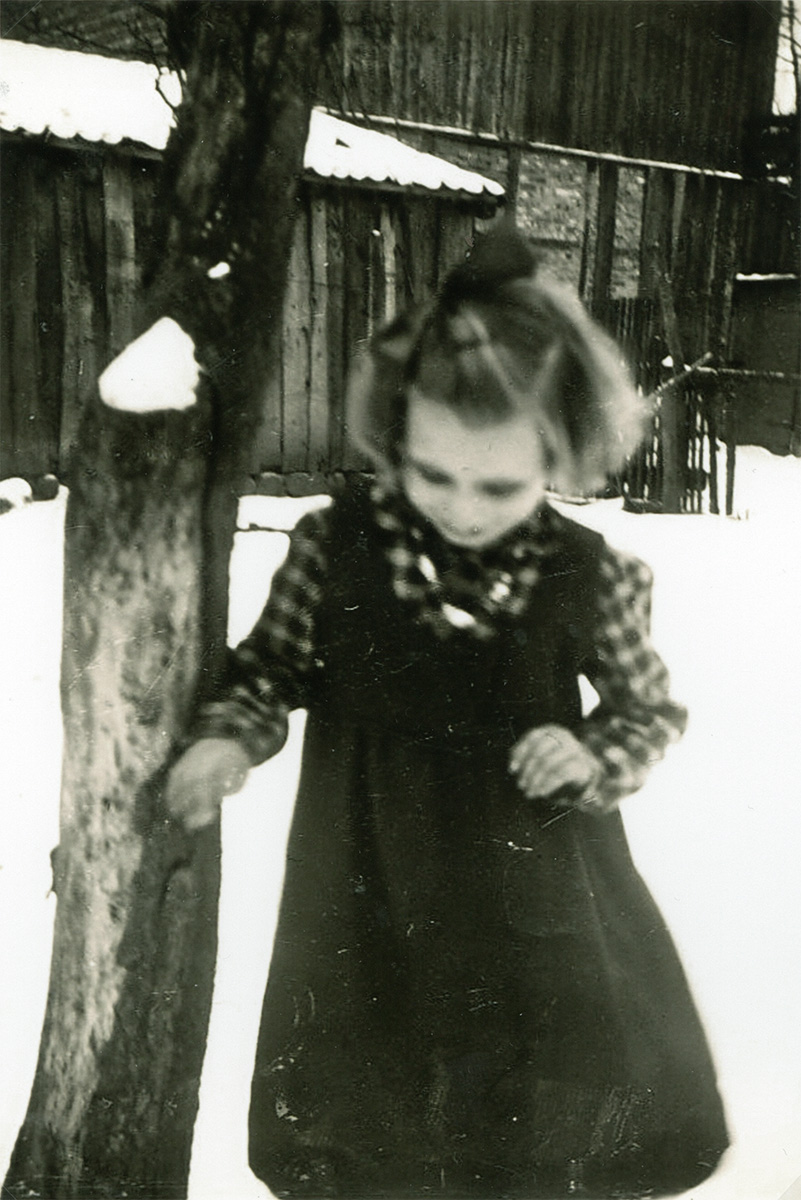
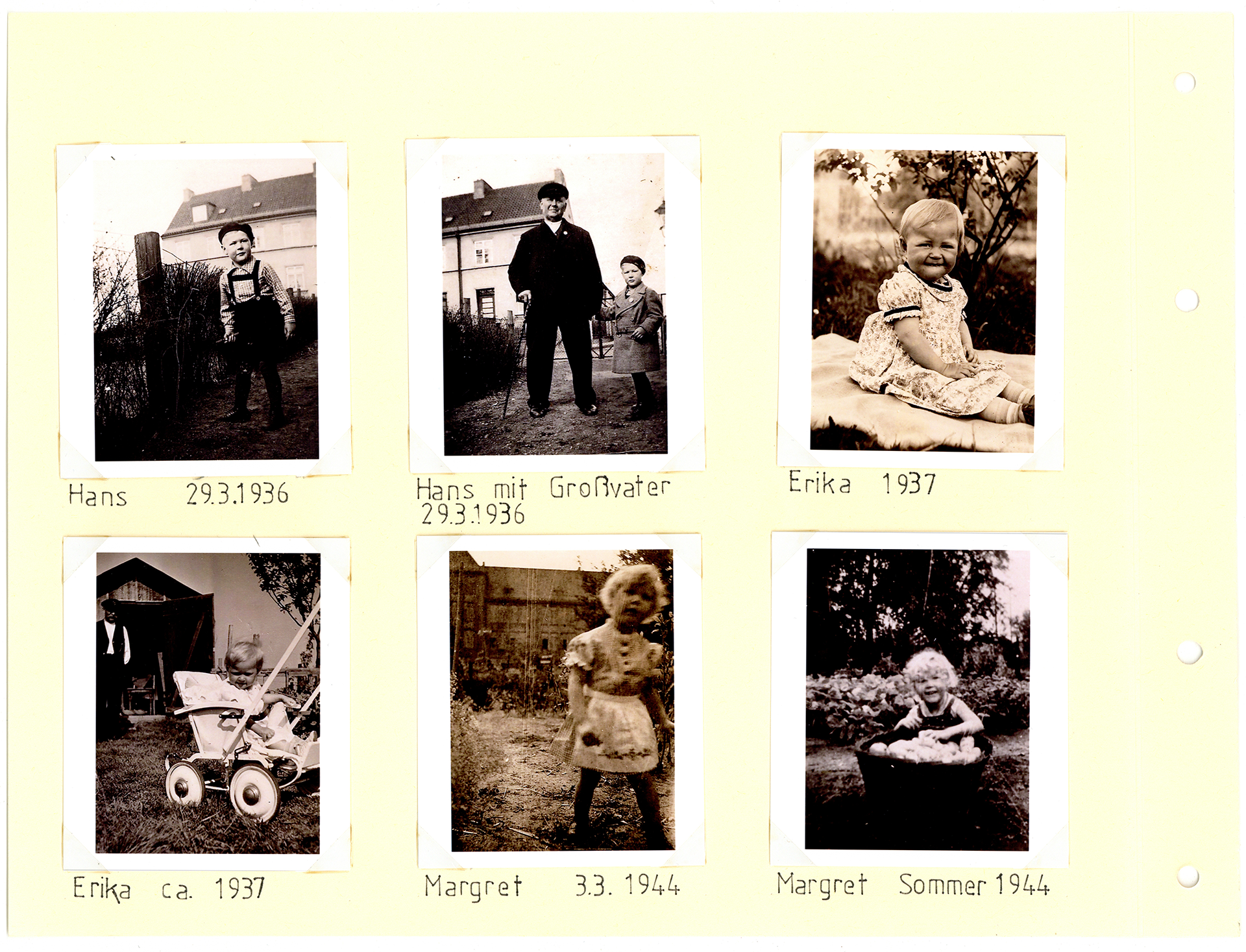
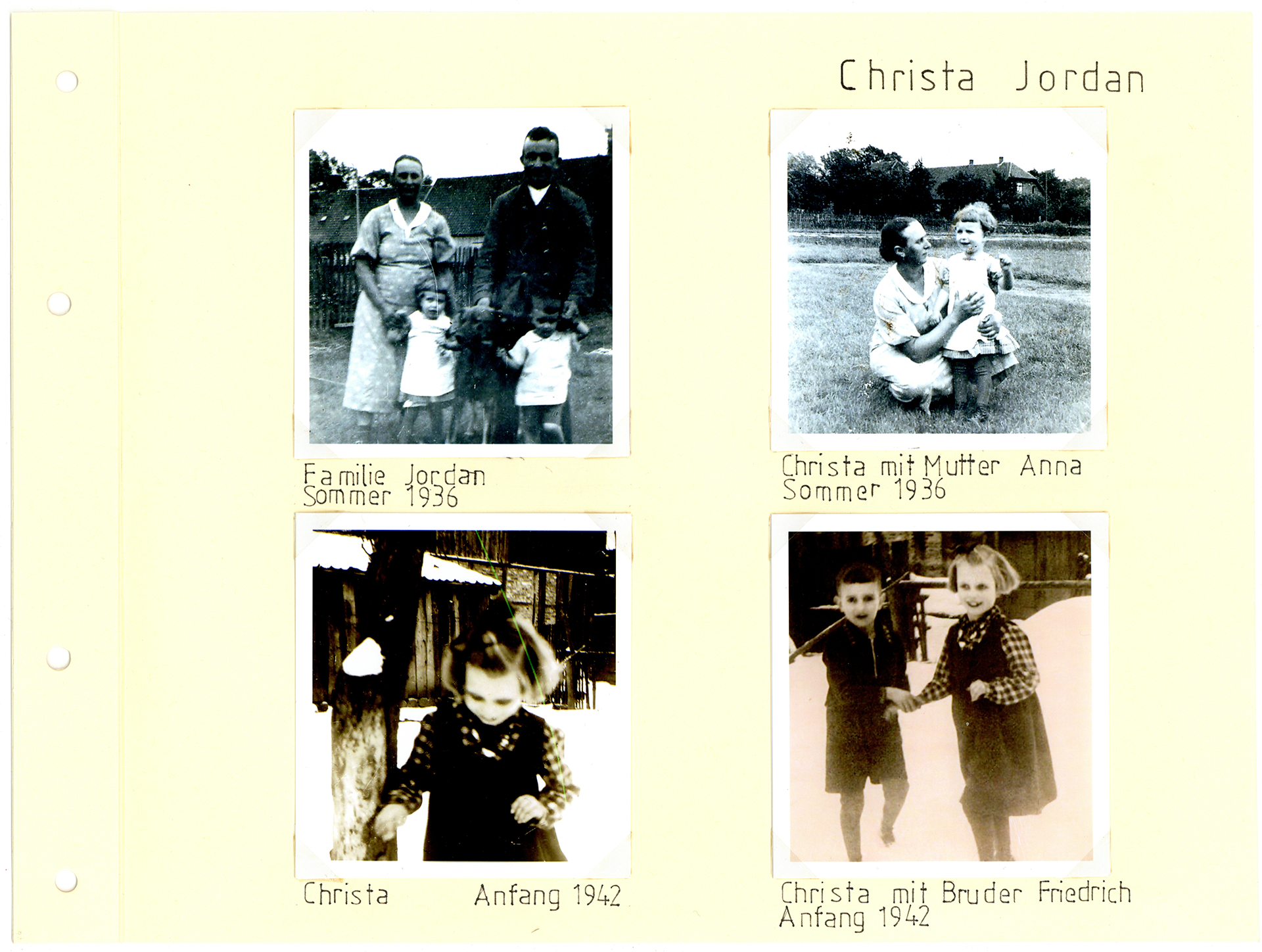
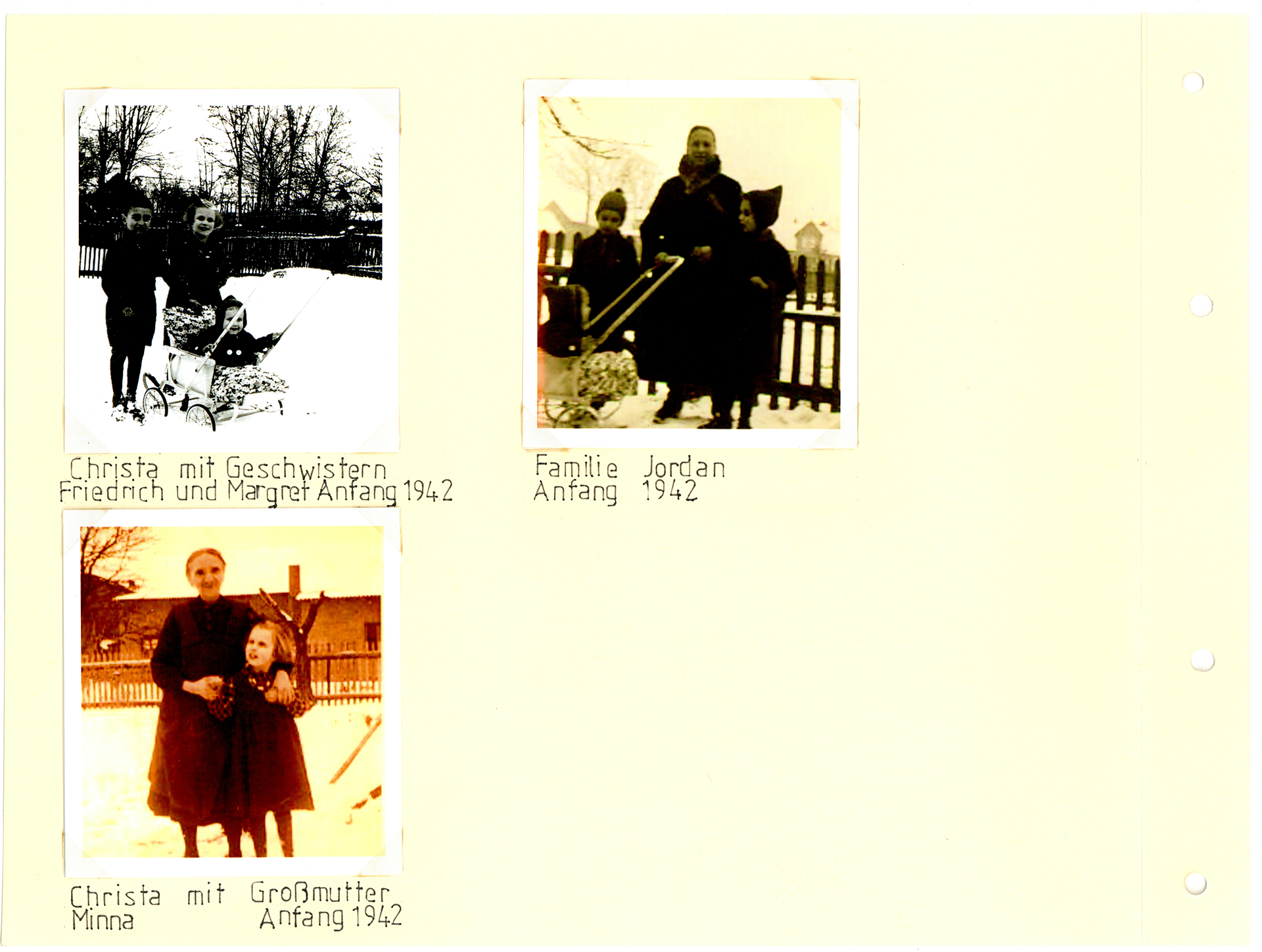
Christa Jordan and her siblings Margret and Friedrich in the snow, winter 1942.
ArEGL 175-2-6.
Two pictures in the snow, taken in the winter of 1942 on her parents‘ farm in Knesebeck. Just a few weeks later, Christa Jordan was admitted to the »children’s ward« in Lüneburg and murdered after a three-month stay. Her father, Fritz Jordan, had tried in vain to have her admitted to the Bodelschwingh Institutions in Bethel, Bielefeld. Her parents had expressly refused to have her admitted to Lüneburg.
Fritz Jordan visited his daughter in Lüneburg when she was still in good health. Christa’s mother Anna made the trip to Lüneburg twice in May 1942. Christa apparently recovered after the first visit. However, as she was still certified as »unfit for education,« she remained a candidate for murder.
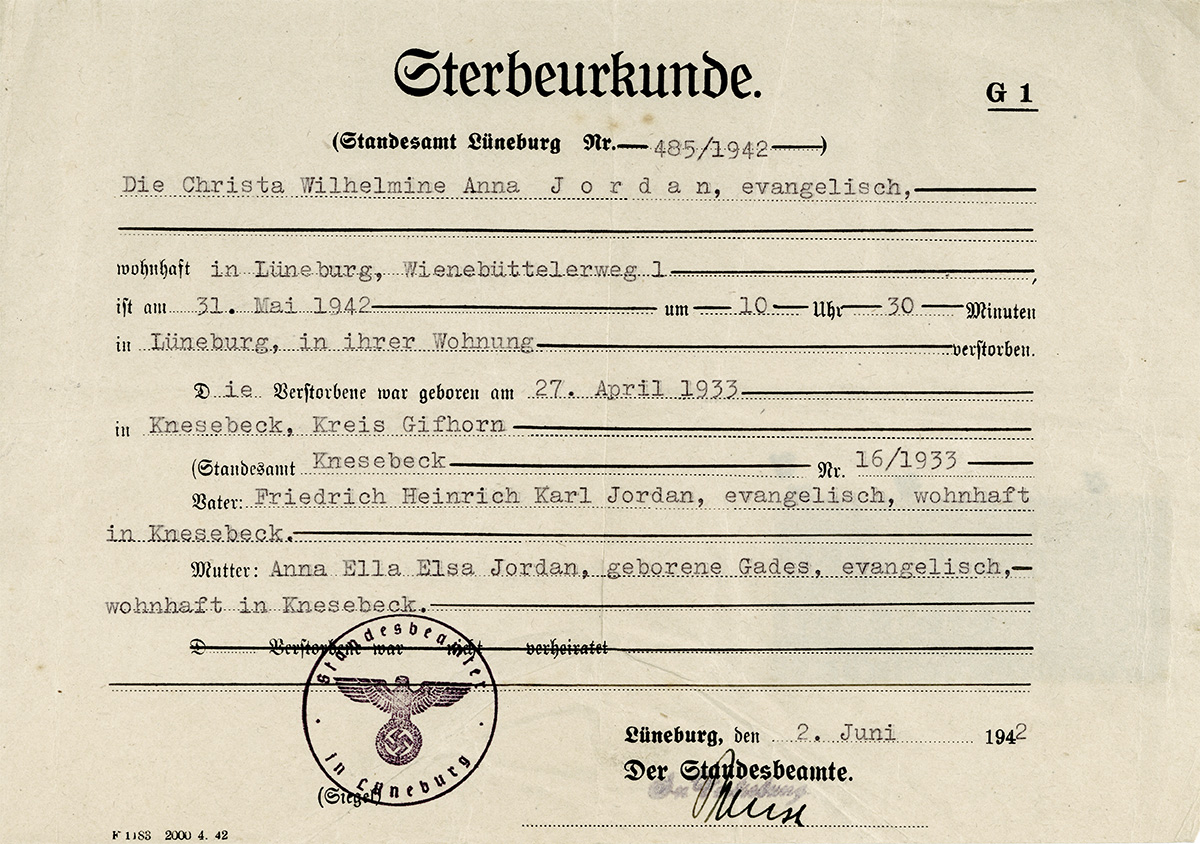
Death certificate of Christa Jordan, 2 June 1942.
ArEGL 175-2.
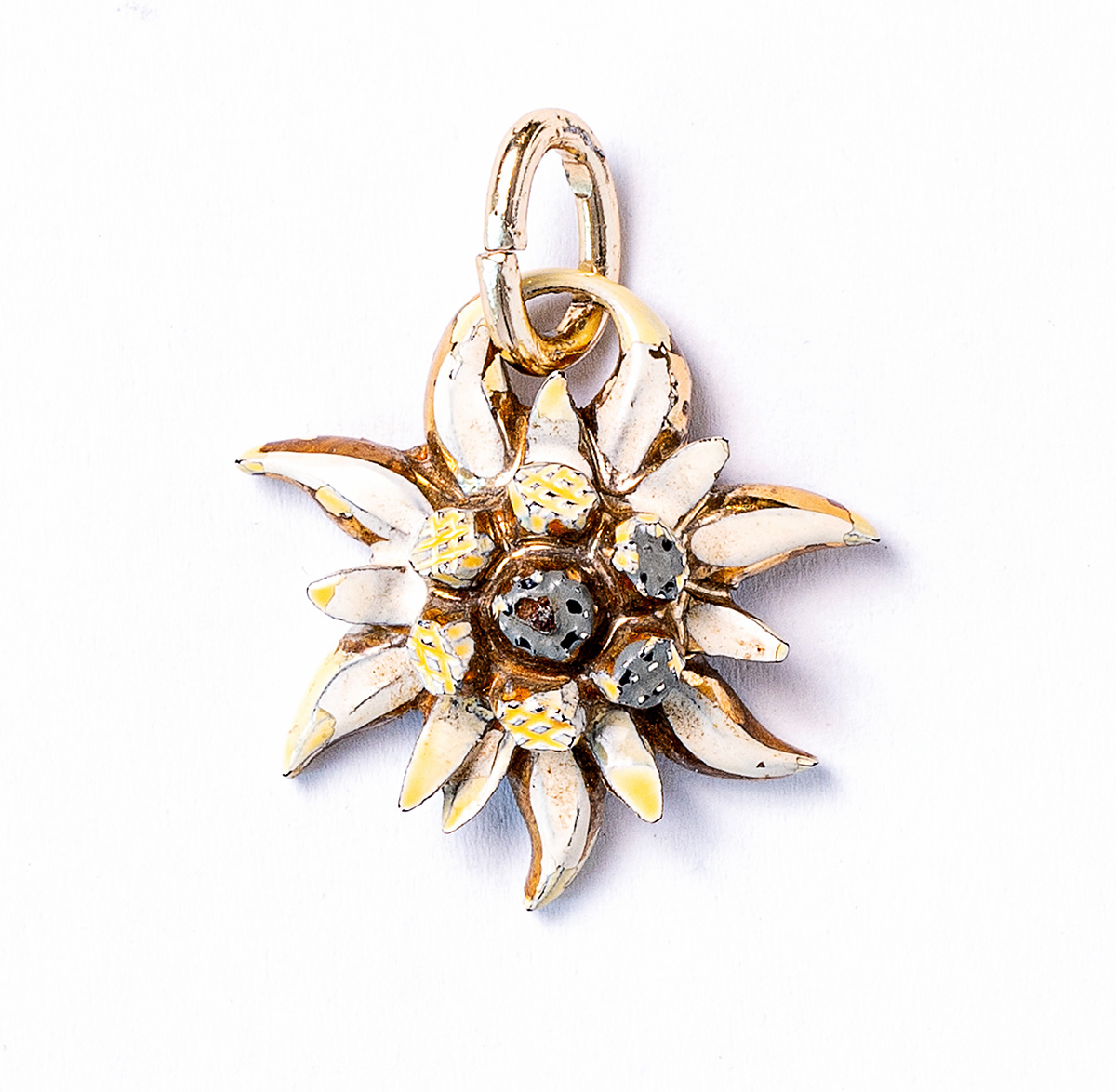
Edelweiss pendant, circa 1941.
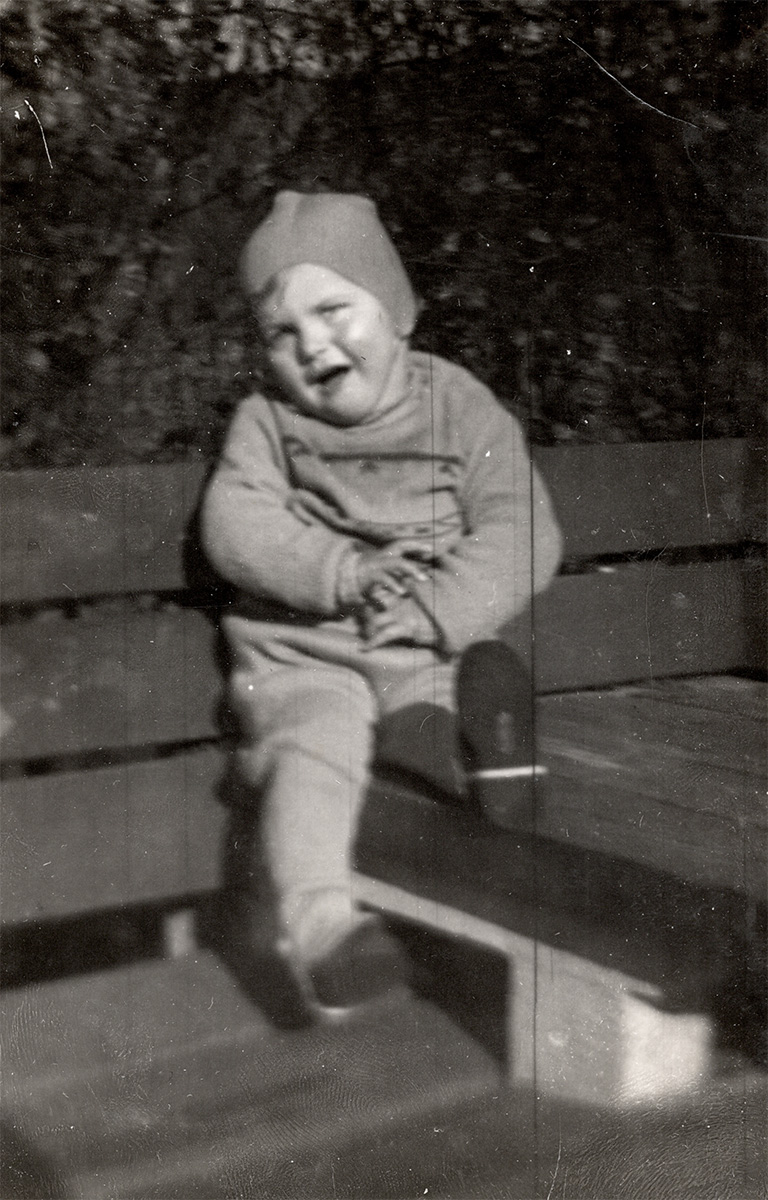
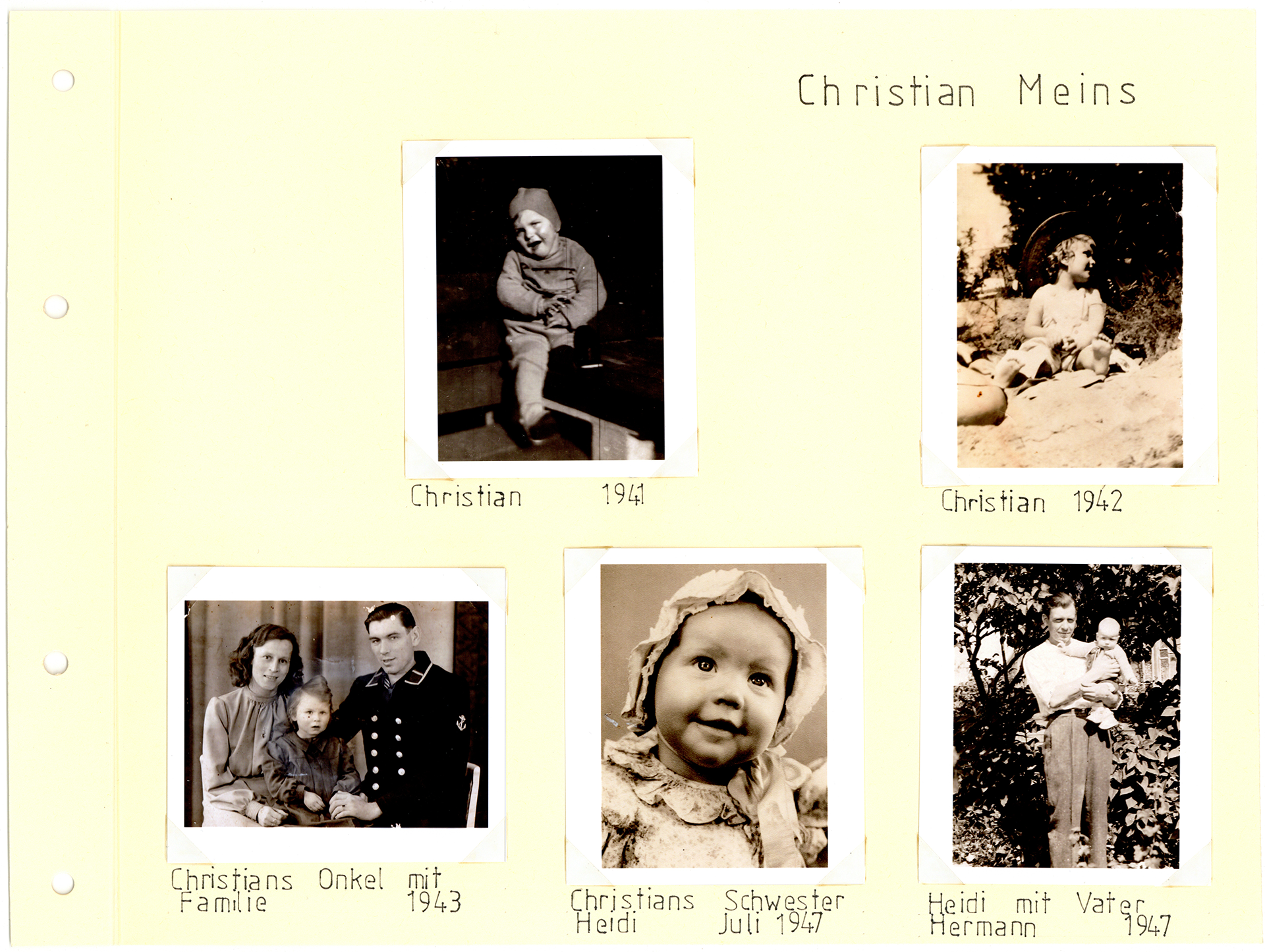
Christian Meins, around 1940.
ArEGL 169.
When many children died in the summer of 1943, Willi Baumert and Max Bräuner claimed that they were all victims of bombing in Hamburg. In fact, there was only one child who happened to be admitted to the Lüneburg »children’s ward« in this context: Christian Meins. This pendant in the shape of an edelweiss flower belonged to Christian’s traditional jacket. He always carried it with him.
CHRISTIAN MEINS (1939 – 1943)
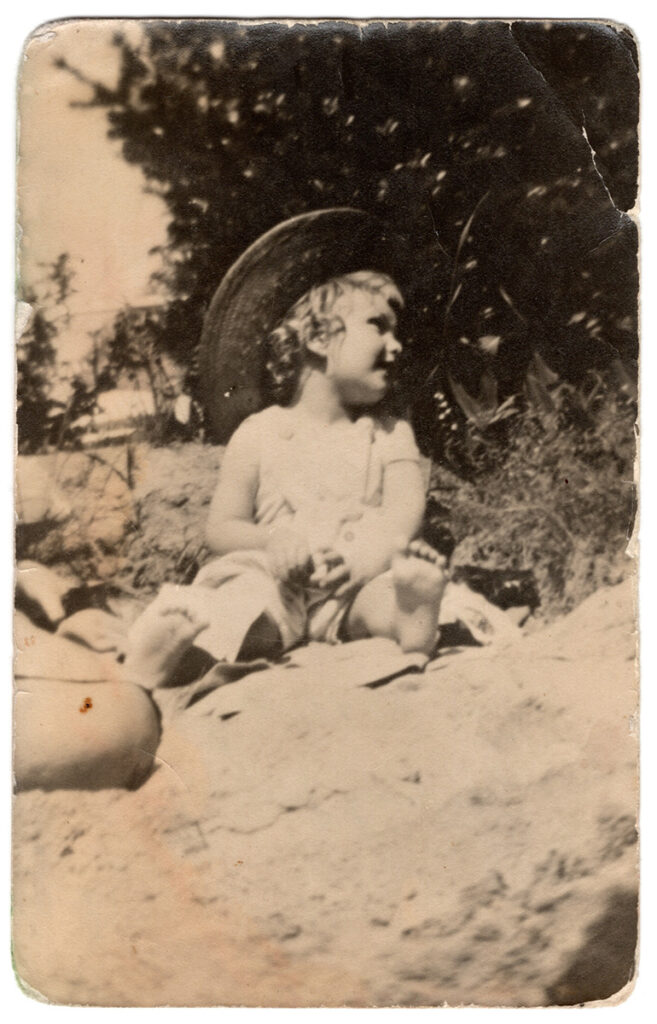
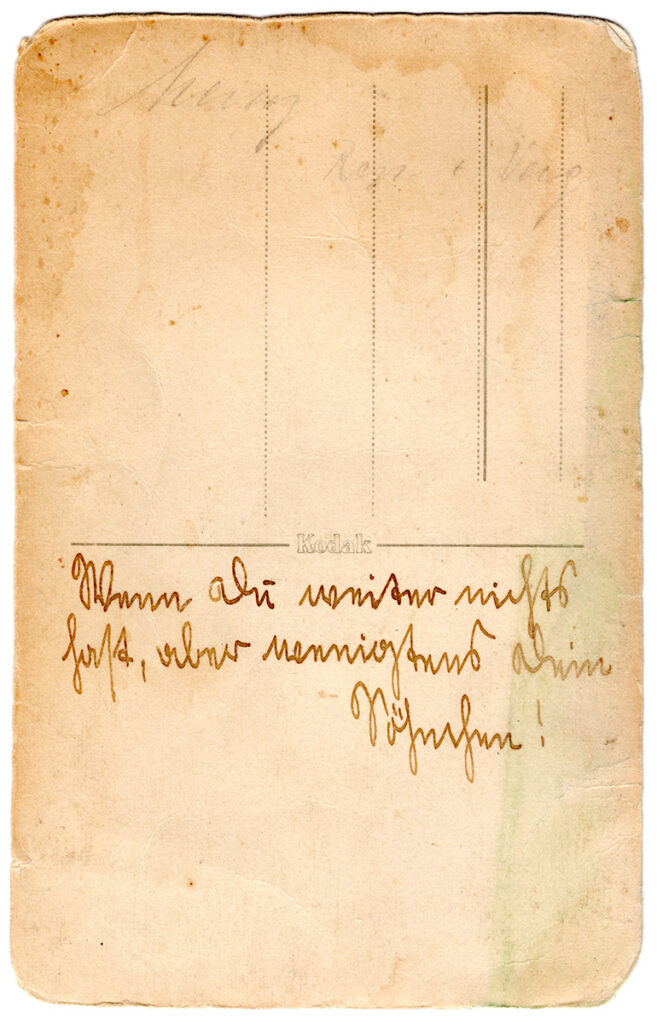
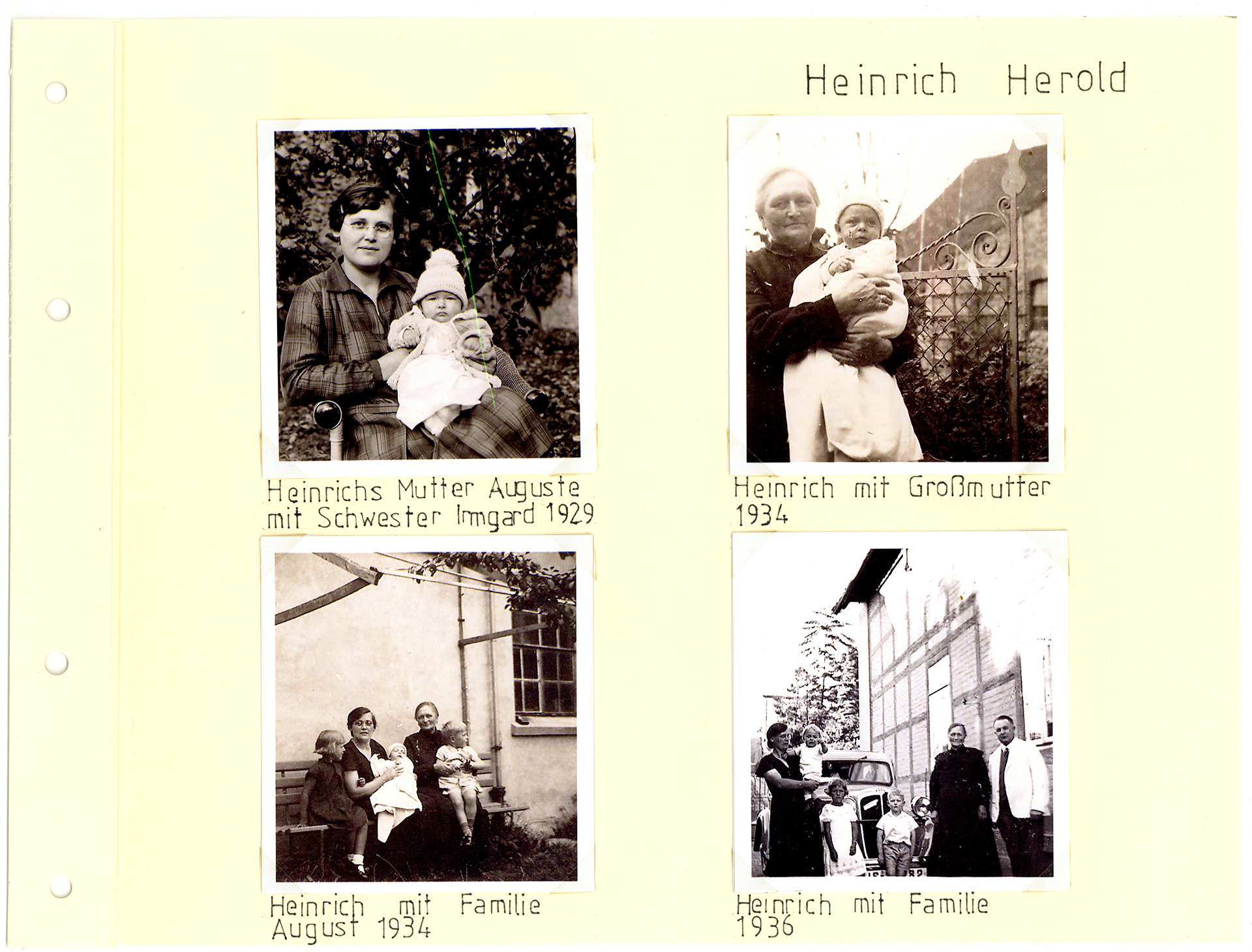
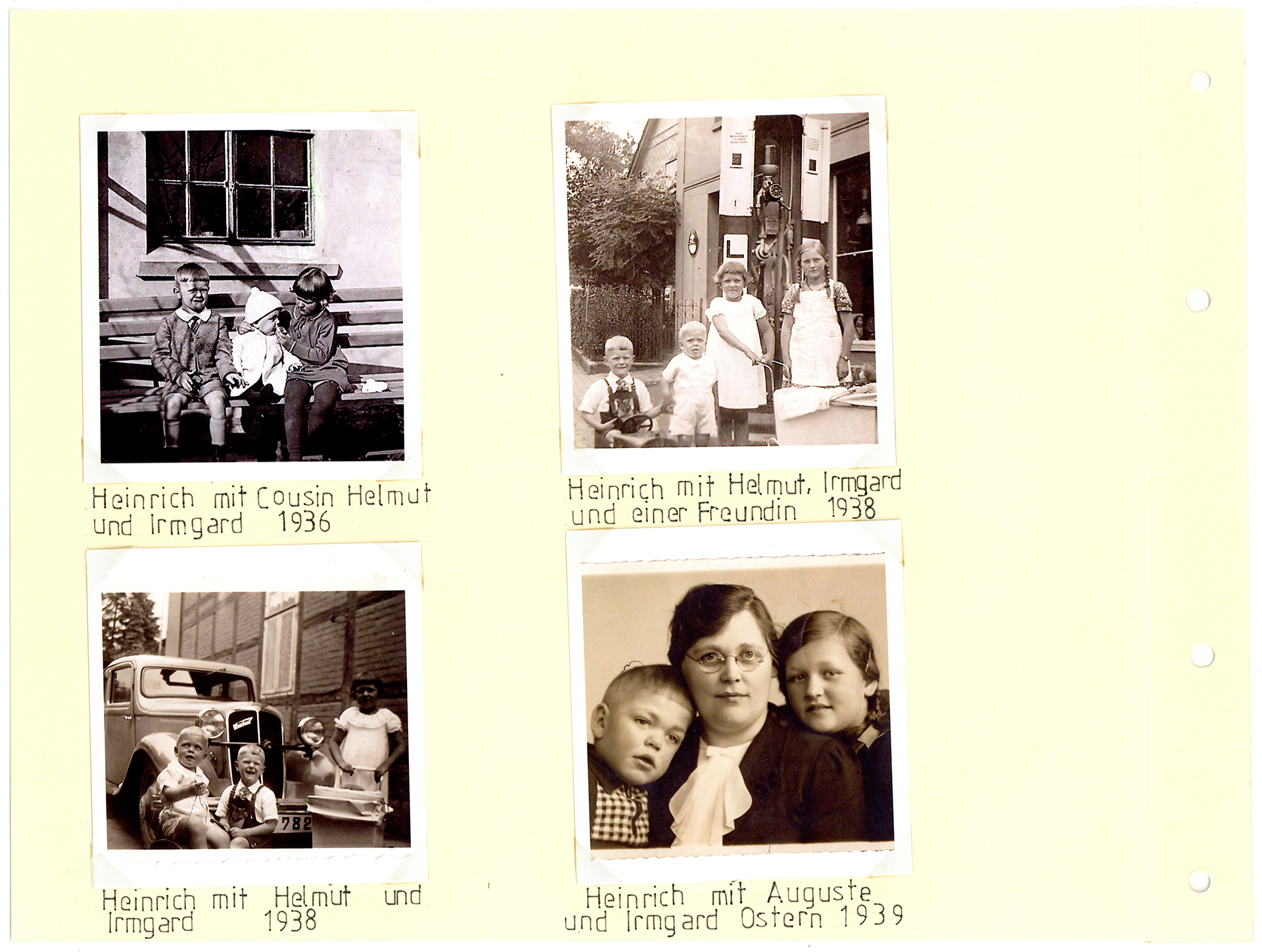
HEINRICH HEROLD (1934 – 1942)
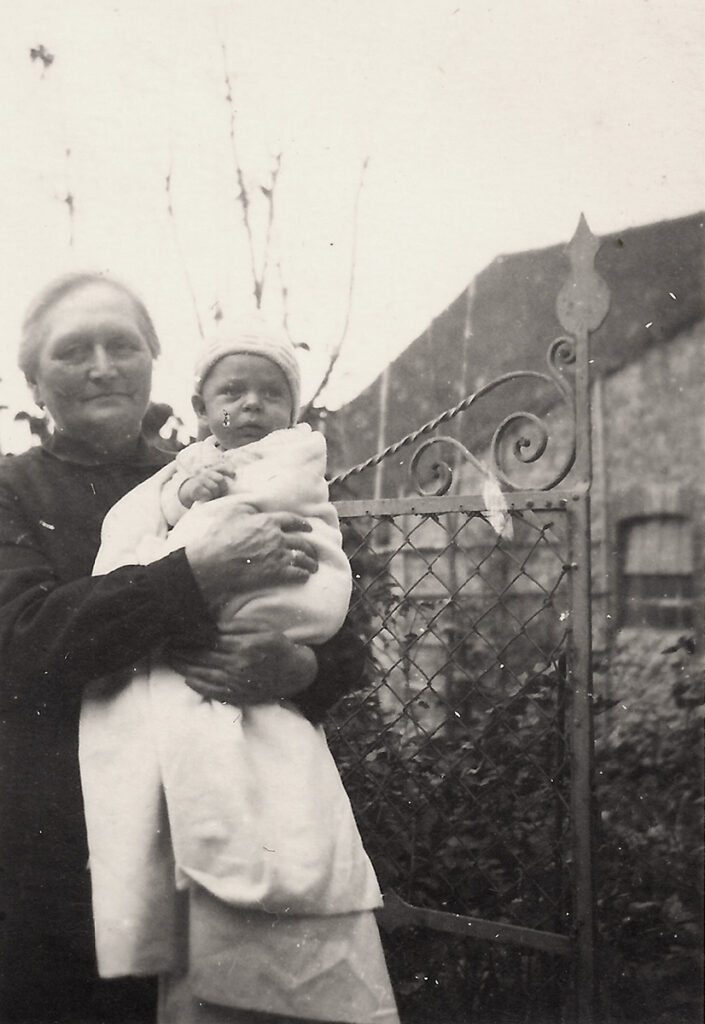
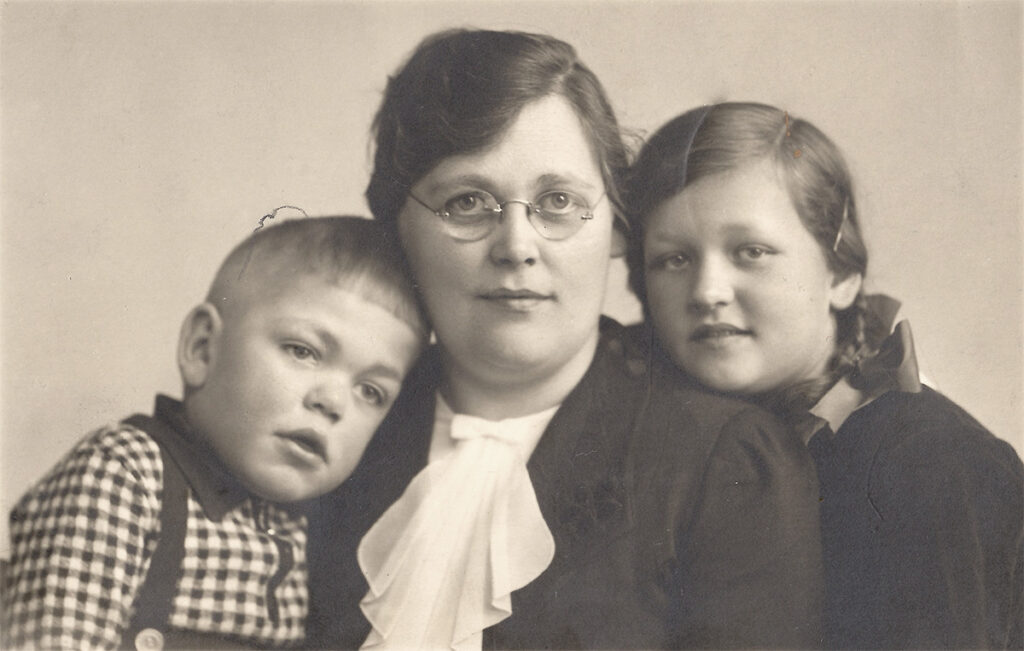
»Little Heini was so quiet, but they gave him away.«
Interview with Ilse Sievers on 2 November 2013.
ArEGL.
LUBA GORBATSCHUK (1943 – 1944)
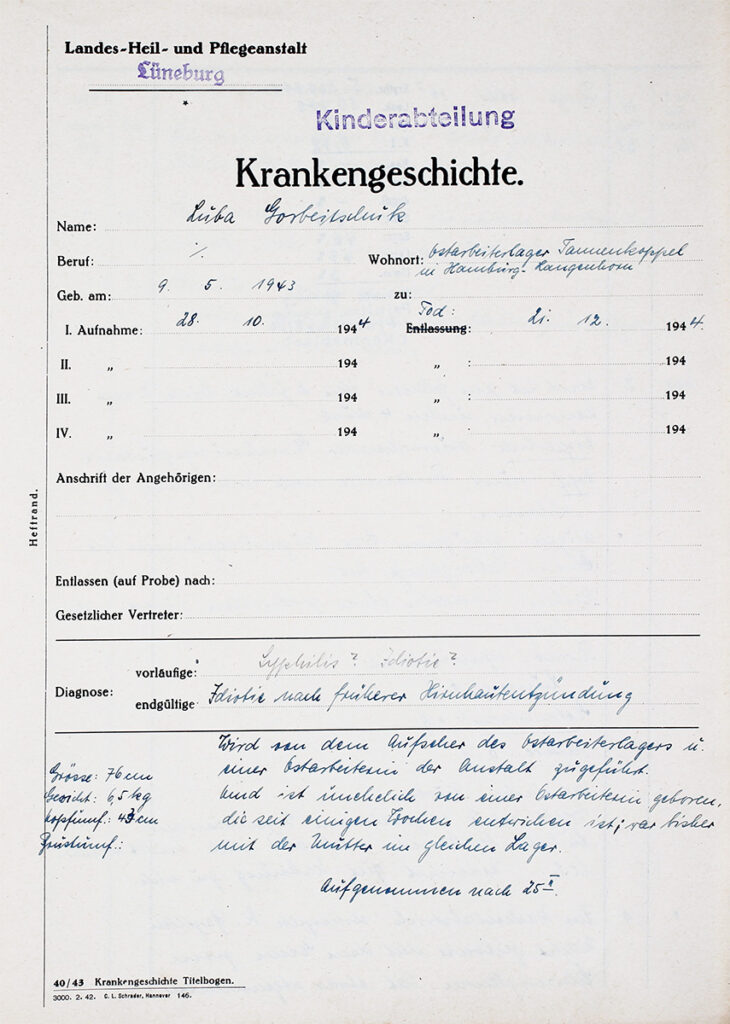
Excerpt from the medical history of Luba Gorbatschuk.
NLA Hanover Hann. 155 Lüneburg Acc. 56/83 No. 67.
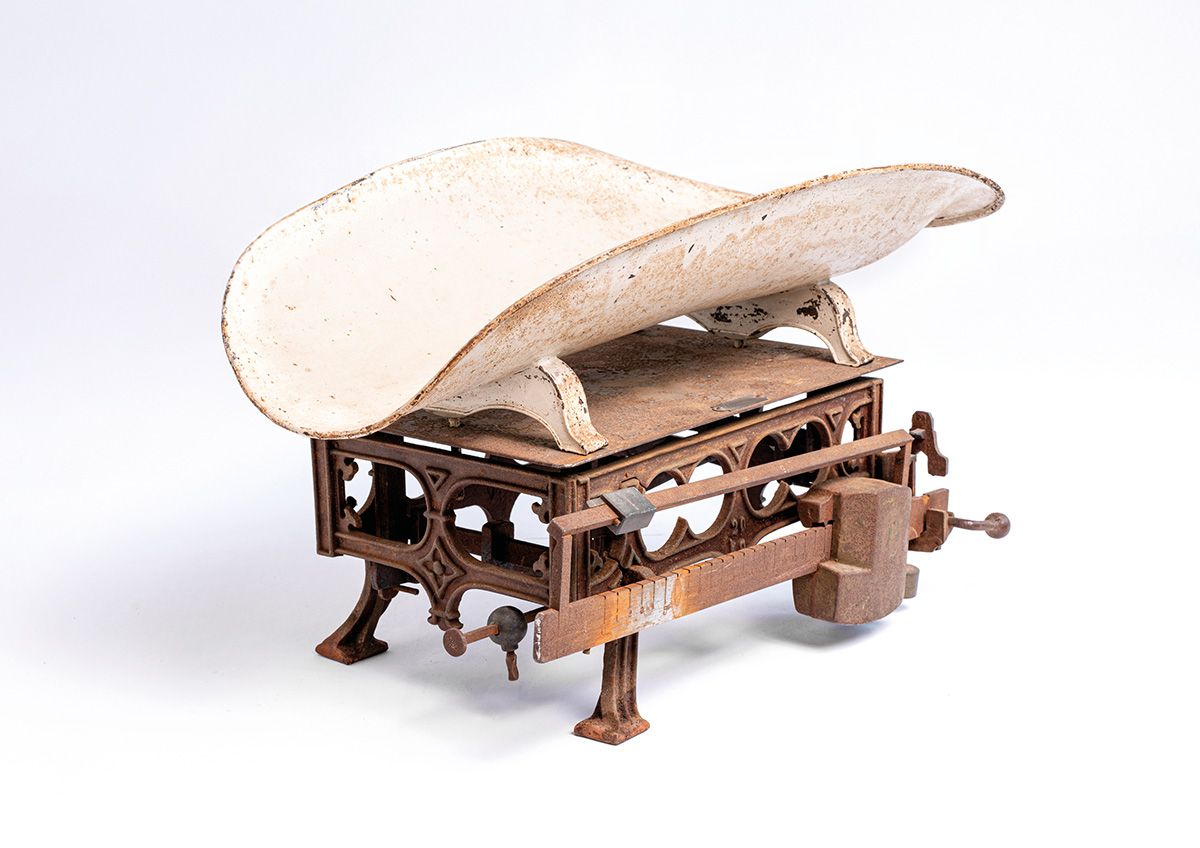
Running weight table scale with weighing pan, circa 1910.
ArEGL 143.
From 1944 onwards, many children and young people starved to death or died of infectious diseases caused by malnutrition and poor hygiene. The starvation did not end until the summer of 1946, because even after the war, no one made any effort to improve food supplies and facilities.
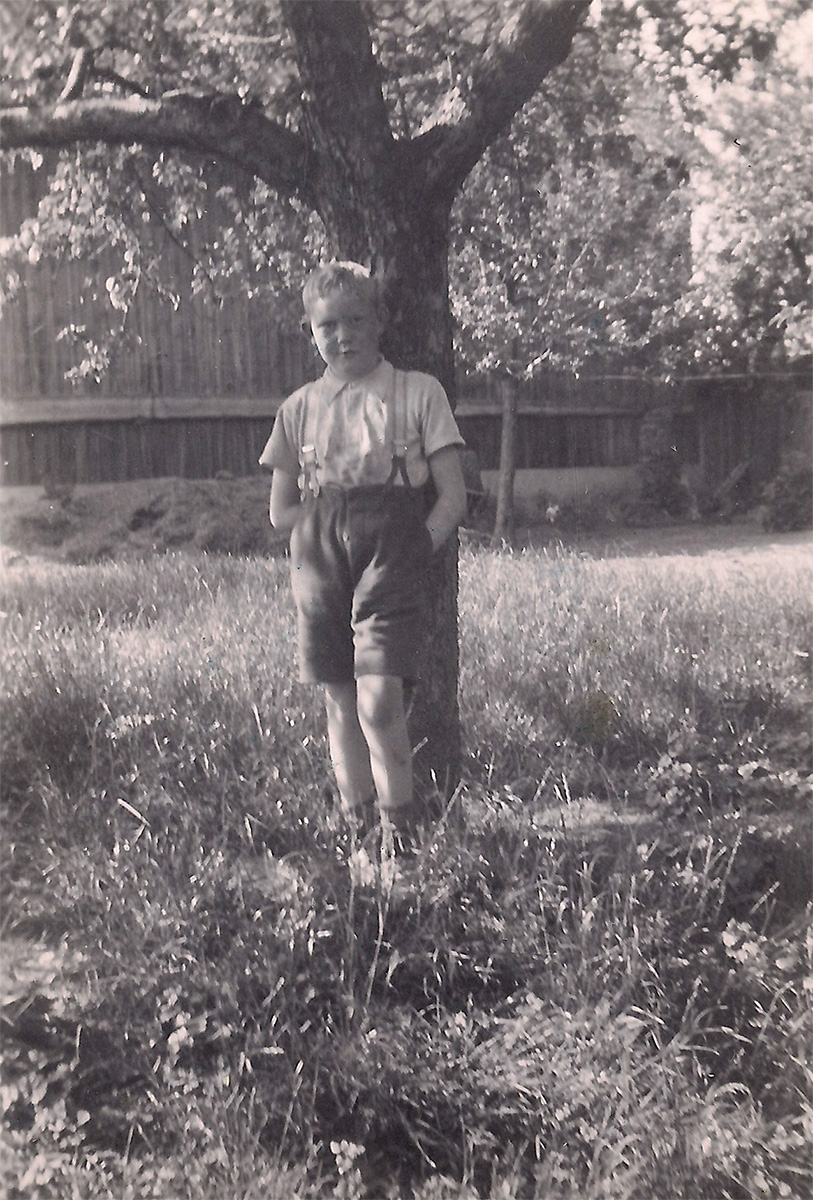
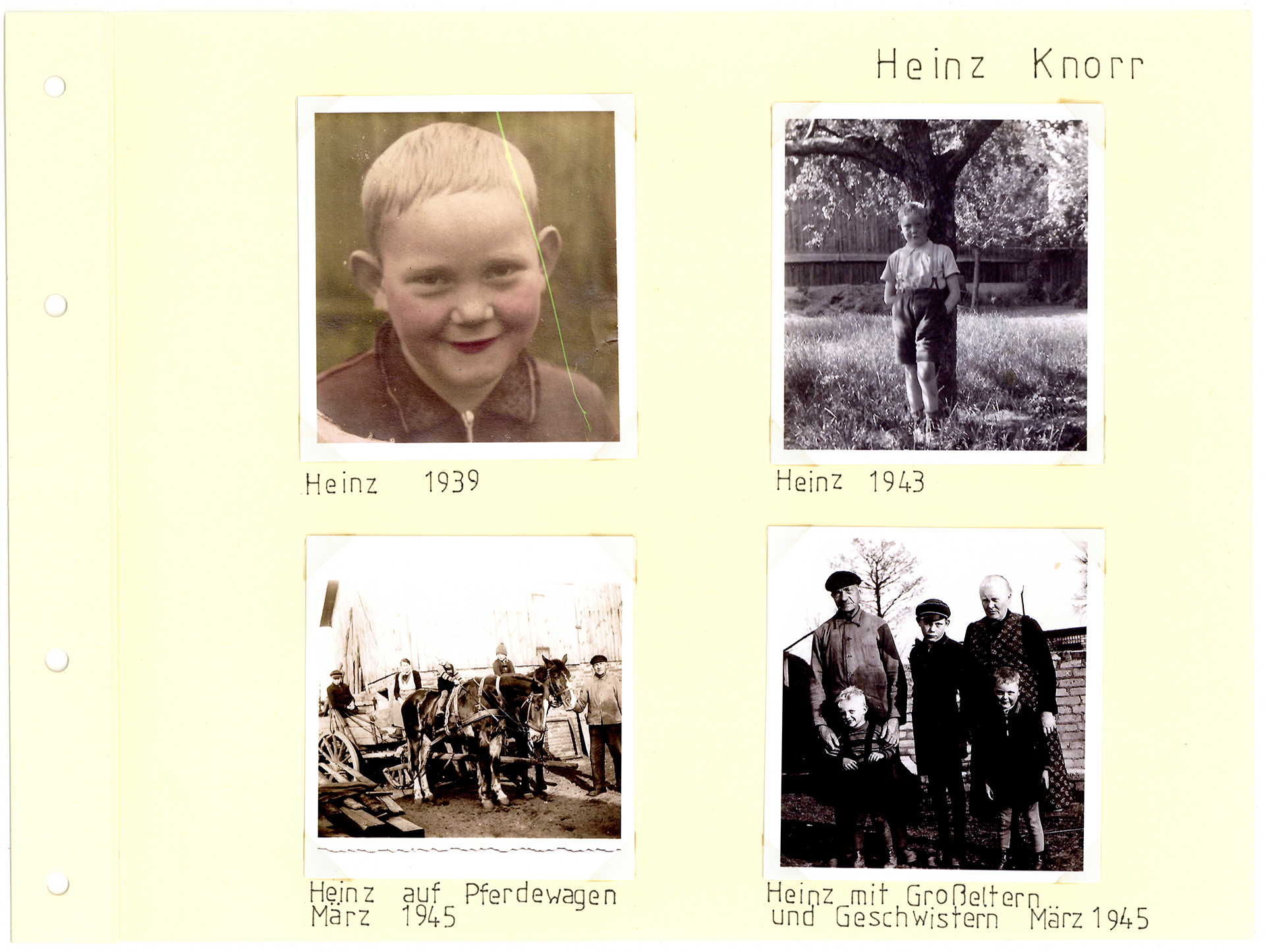
Heinz Knorr, around 1943.
Private property of the Twesten family.
Heinz Knorr from Artlenburg starved to death many months after the end of the war. He had run away when his village was evacuated. His parents searched for him in vain and only learned after his death that he had been admitted to the Lüneburg institution.
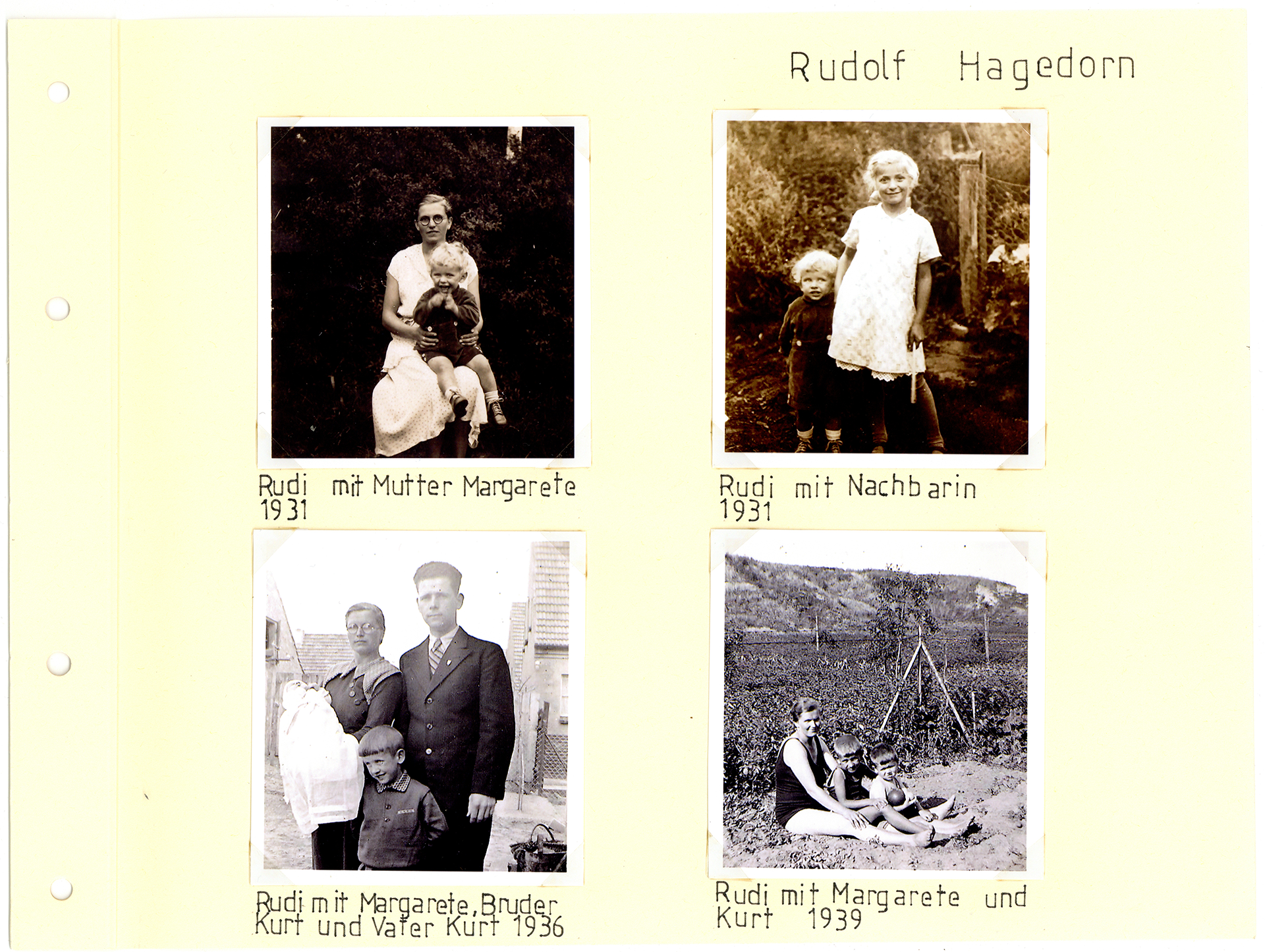
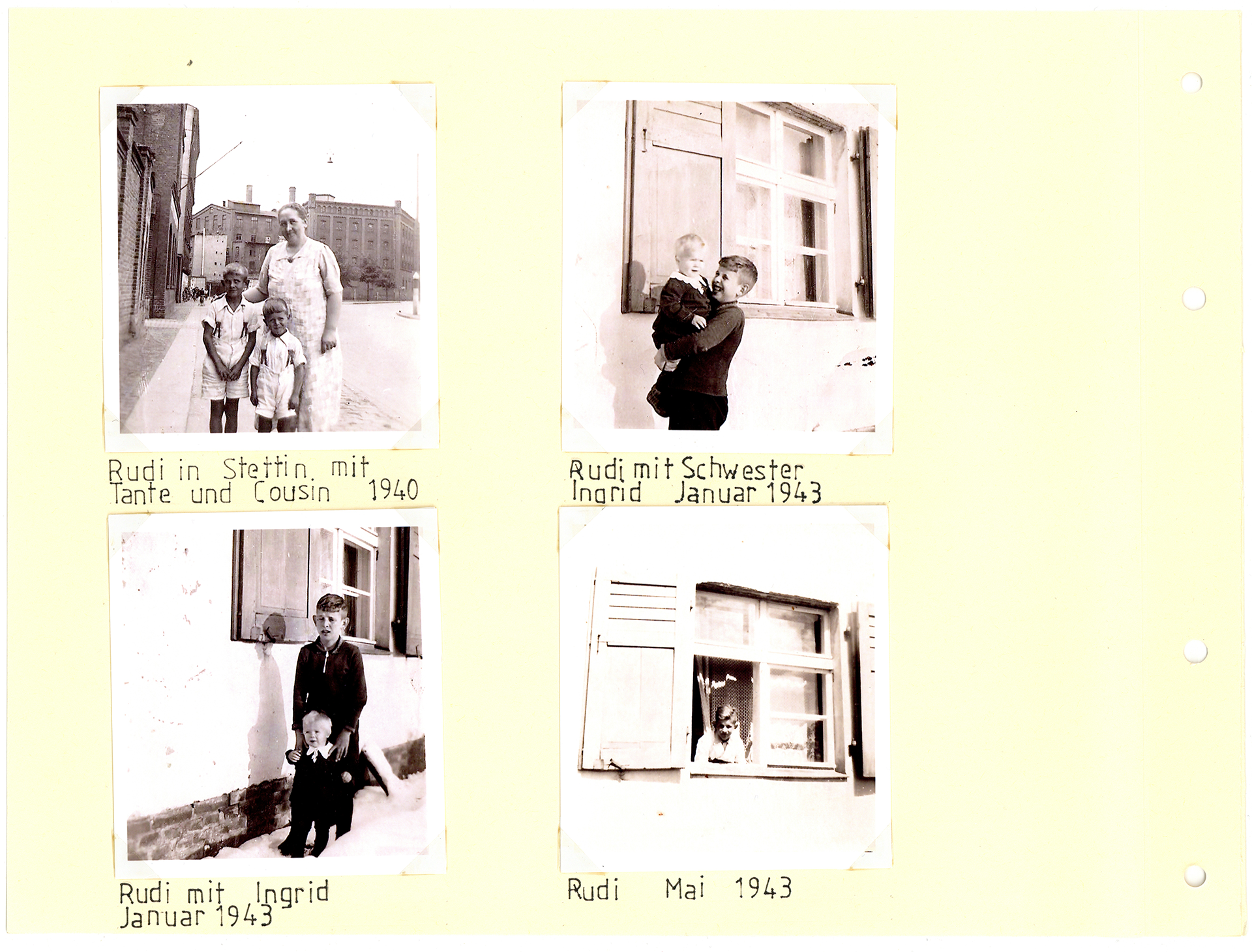
Rudolf Hagedorn learned to walk in these baby shoes. They are among the few possessions that his mother was able to save during her flight from Pomerania as a memento of her »little Rudi.« They were kept in a box with a few other mementos and, along with a handful of photos, are the only things Rudolf’s sister Ingrid still has of her brother. Rudolf starved to death at the end of June 1945 in the »children’s ward« in Lüneburg.
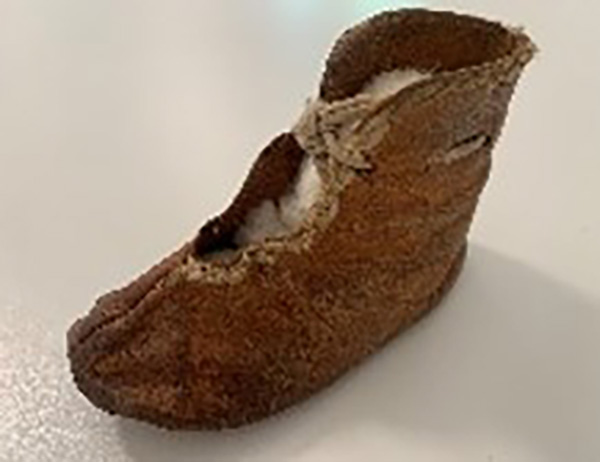
Children’s shoe, circa 1930.
Private collection of Ingrid Hruby | ArEGL 170.
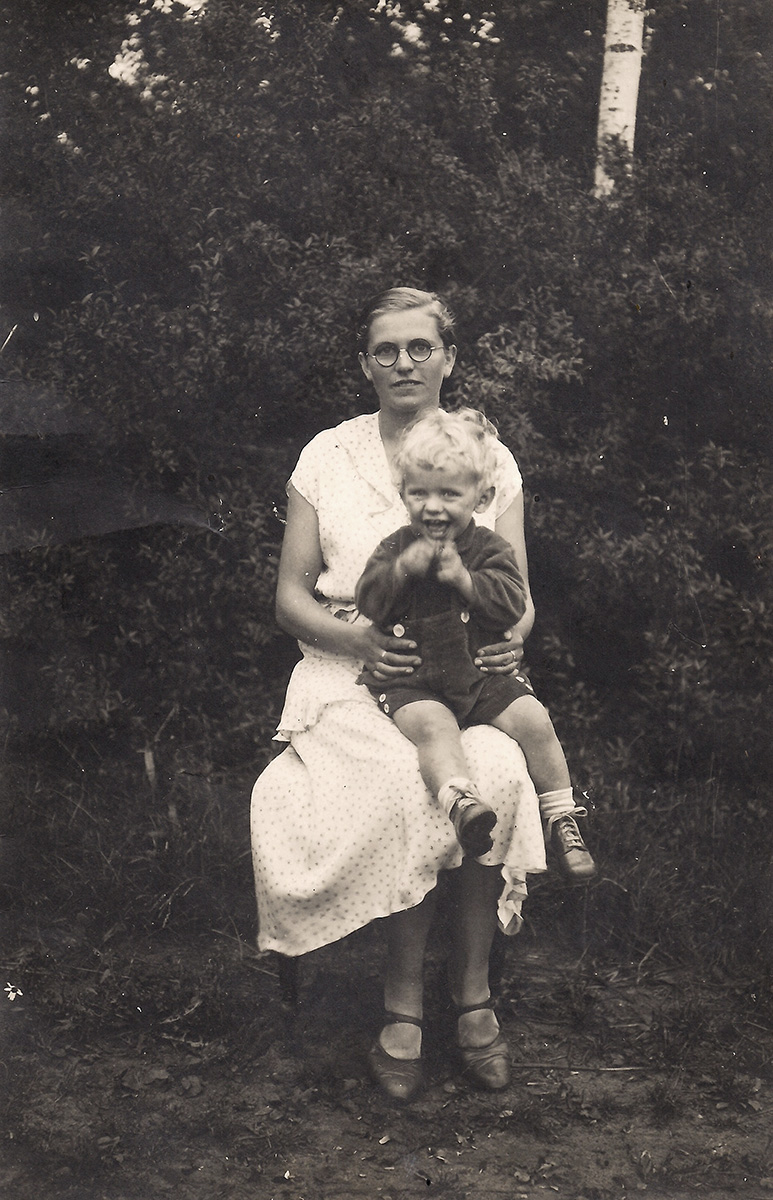
Rudolf Hagedorn on his mother Margarete’s lap, around 1931.
Private property of Ingrid Hruby.
RUDOLF (RUDI) HAGEDORN (1929 – 1945)
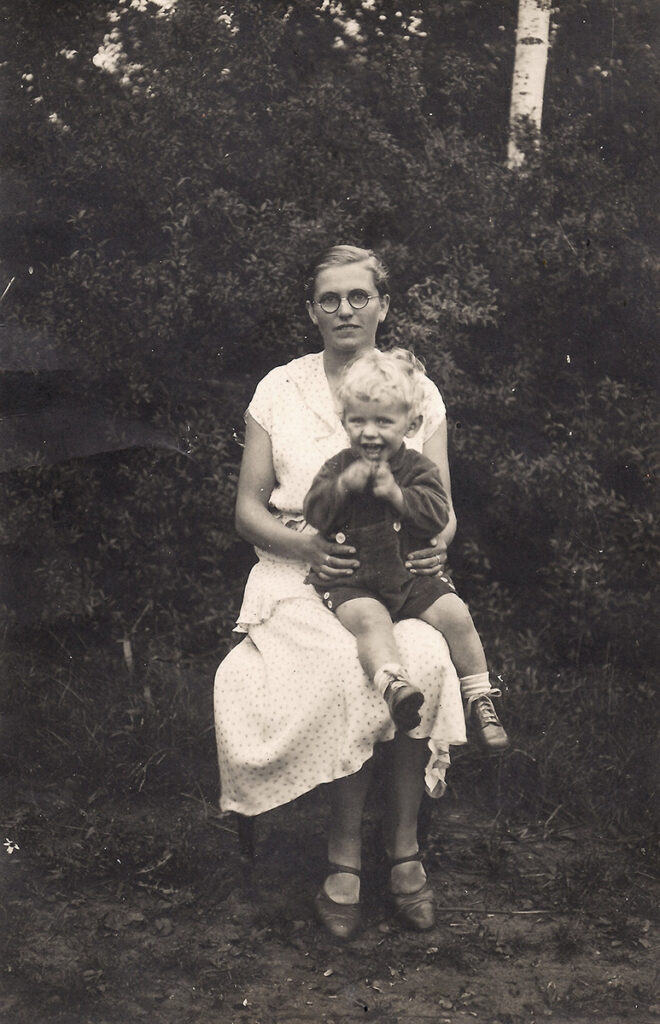
Rudolf Hagedorn on his mother Margarete’s lap, around 1931.
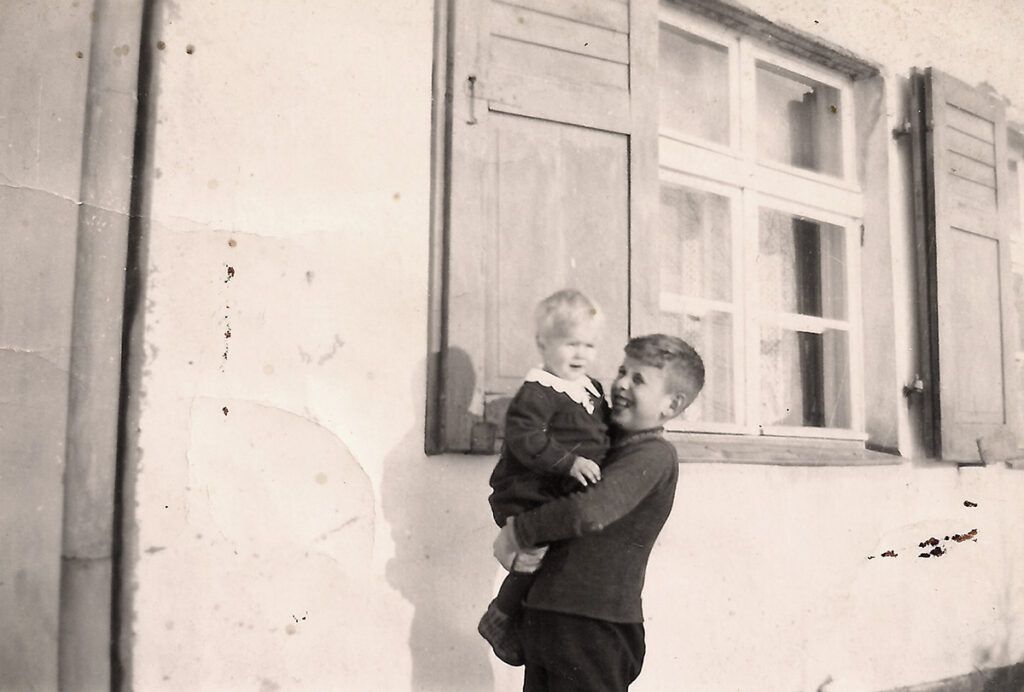
Ingrid in the arms of her brother Rudolf Hagedorn, around January 1943.
Private property of Ingrid Hruby.
»Once he has recovered, I believe the idea of his dismissal could be considered more seriously.«
NLA Hanover Hann. 155 Lüneburg Acc. 56/83 No. 258.
By »recovery,« Max Bräuner meant Rudi’s return to his former strength. Six days later, on 27 June 1945, Rudi starved to death in the »children’s ward« in Lüneburg. When his mother anxiously contacted the institution to inquire about his condition, he had already been dead for five days. She had not been notified.
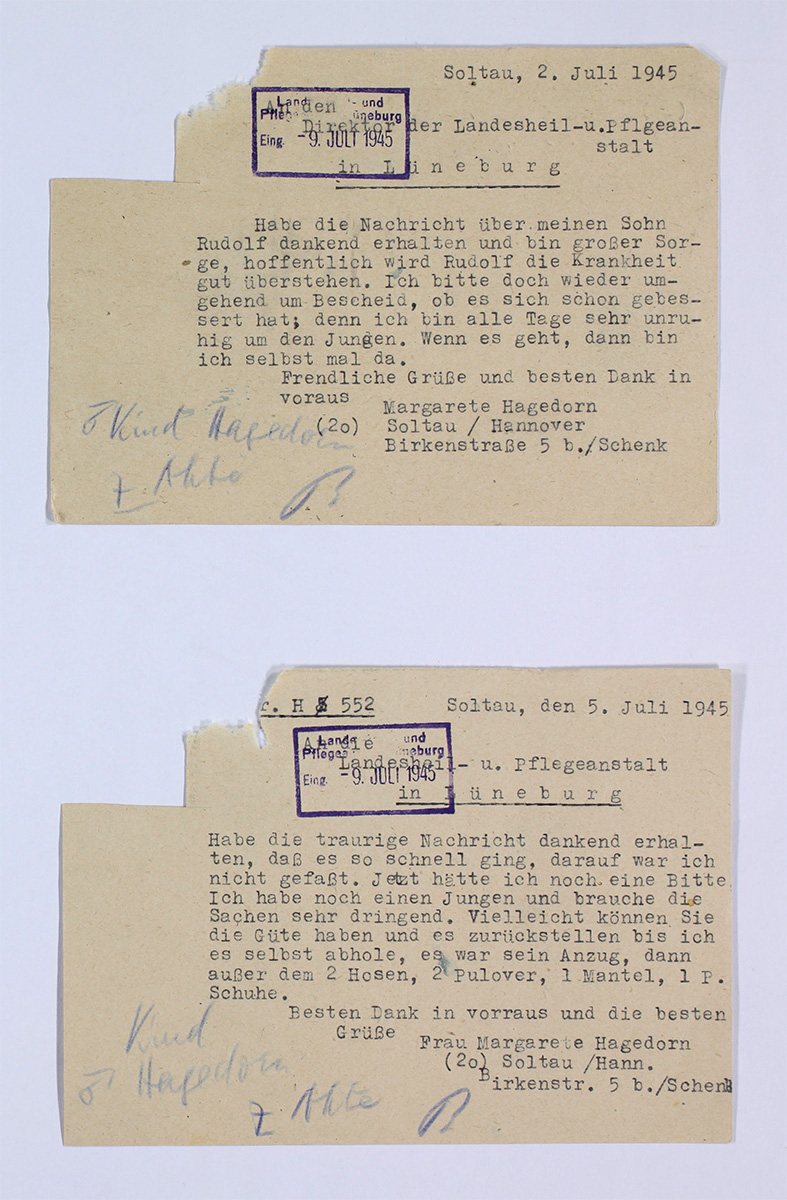
Cards from Margarete Hagedorn to the Lüneburg Sanatorium and Nursing Home dated 2 and 5 July 1945.
NLA Hanover Hann. 155 Lüneburg Acc. 56/83 No. 258.